The year was 1934, and in England there was a growing realisation that another war with Germany was almost inevitable.
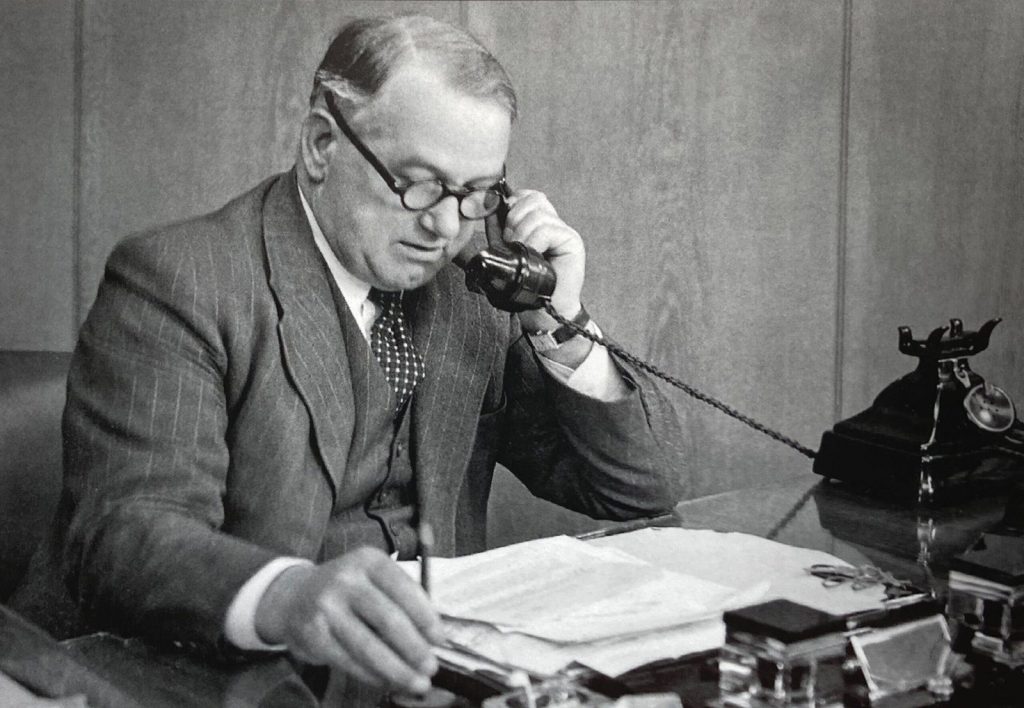
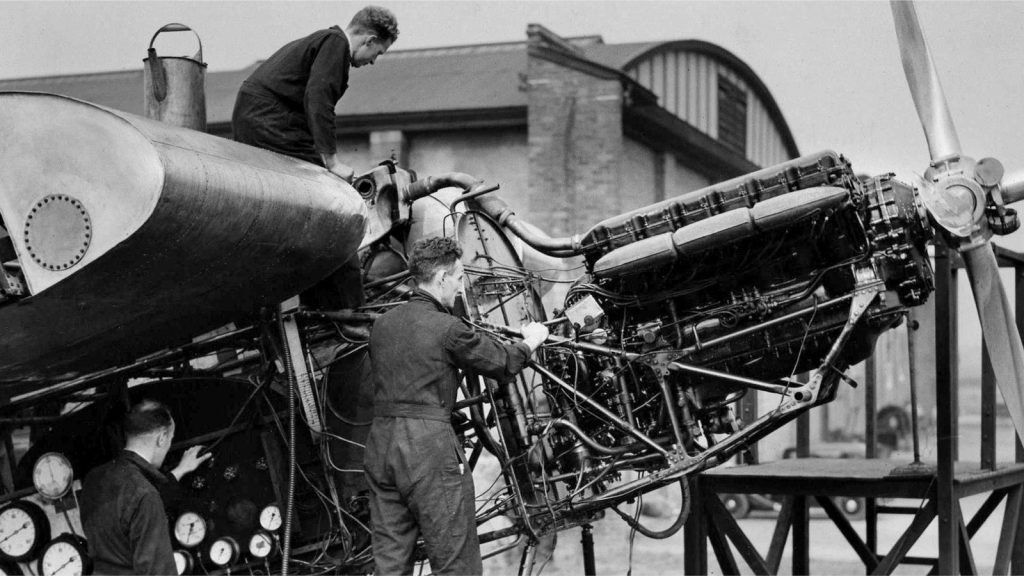
The man in charge at Rolls-Royce, Ernest Hives (later Lord Hives), had decided with a nagging sense of urgency that the company needed to address a growing problem. To make its aero engines as reliable and excellent as possible, Rolls-Royce needed its own comprehensive flight development and test operation, and at the time it simply didn’t have one.
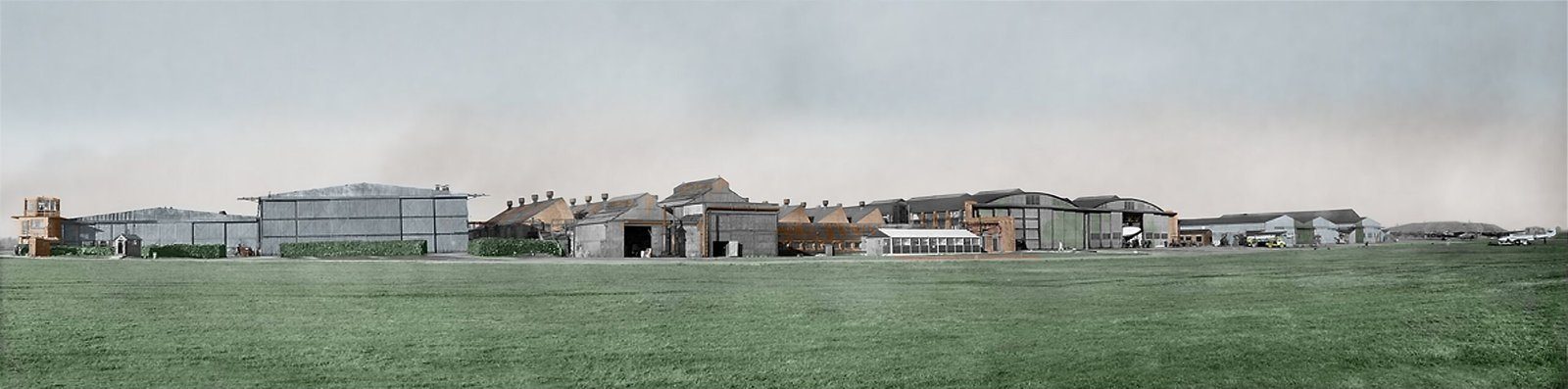
After successful trials of the idea at Stag Lane Aerodrome in London, then at Tollerton near Nottingham, the die was cast. In October 1933 Hives secured the lease of two Belfast hangars on a much larger and more private airfield at Hucknall, nearer the factory in Derby.
Opening in January 1934, the Rolls-Royce Flight Test Establishment went on to lead the world in the flight development of aero engines for the next thirty years, contributing massively to the golden years of British aviation.
Hucknall through the years
Rolls-Royce moves in
Ernest Hives leases two Belfast hangars at Hucknall. The Rolls-Royce Flight Test Establishment opens in January 1934.
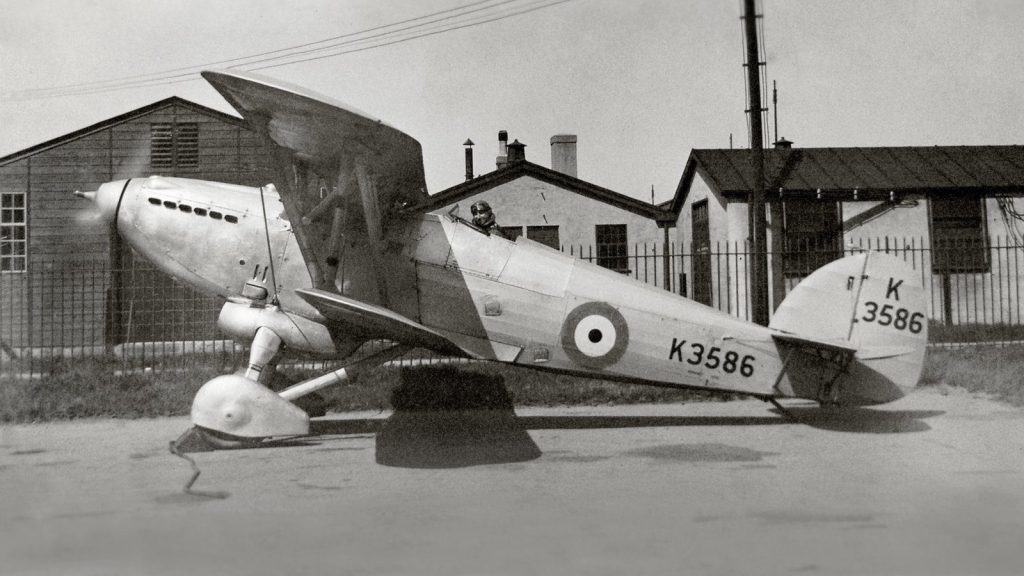
Flying test beds
Biplanes like Hawker Fury K3586 carry experimental Rolls-Royce engines into the air over Nottinghamshire.
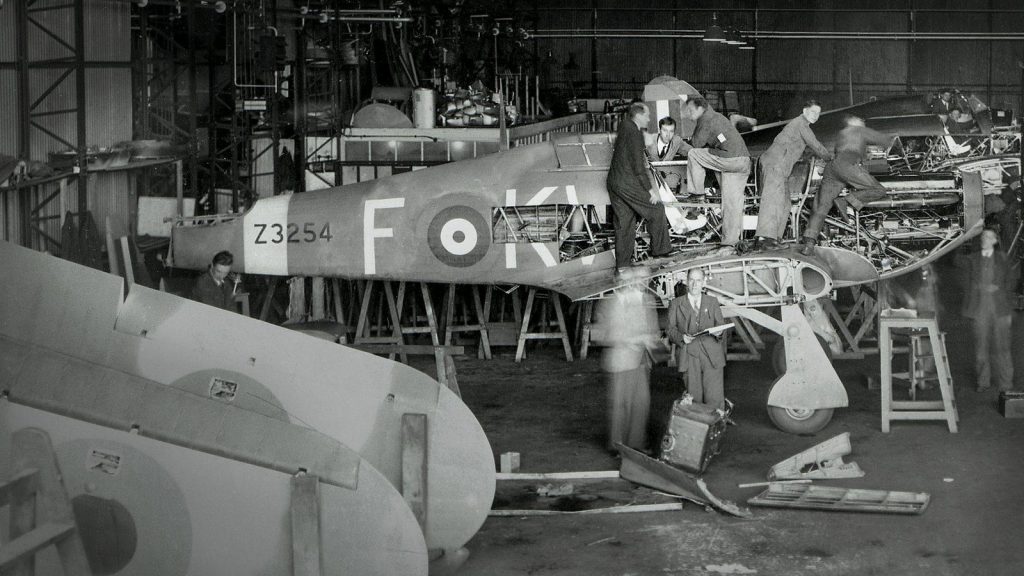
Battle of Britain
Damaged Hurricanes come to No 1 Hangar for repair and return to the fight.
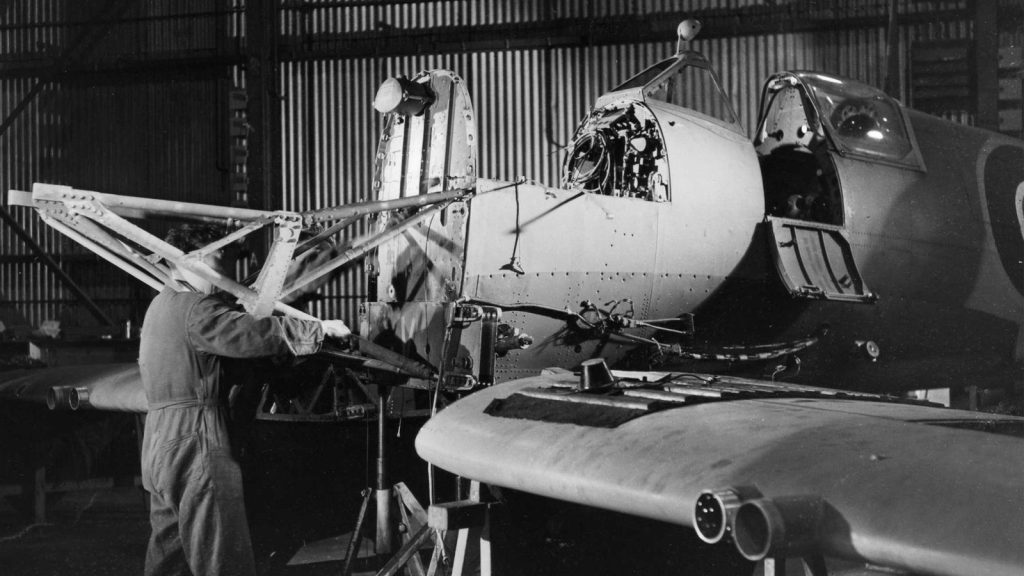
Spitfire Mk IX
Spitfire Mk Vs are converted to the Merlin 60-series powered Mk IX in 6 Hangar.
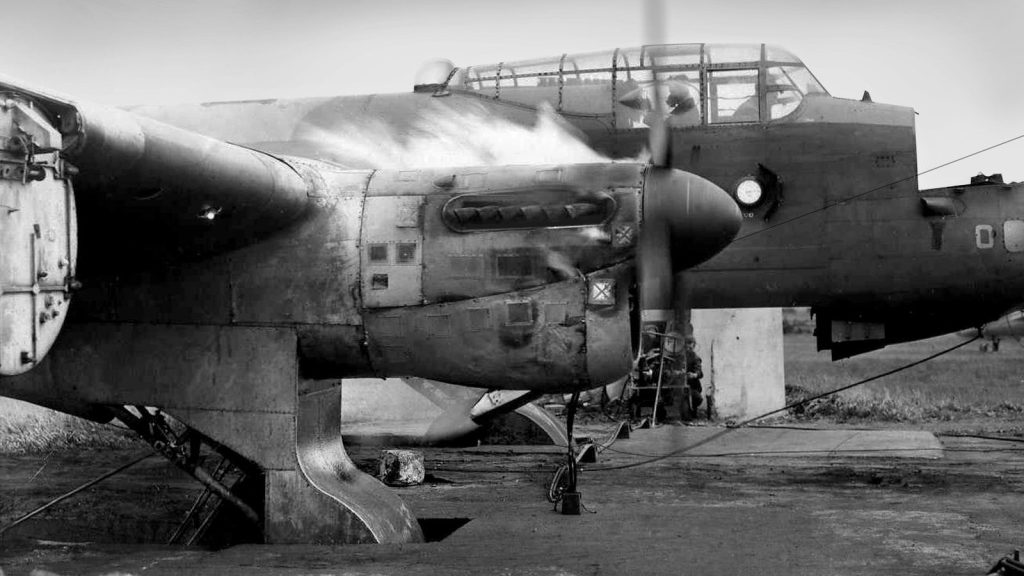
The Wing Hangar
Purpose-built ground test hangars go up for Merlin and Griffon development. Today they house the museum.
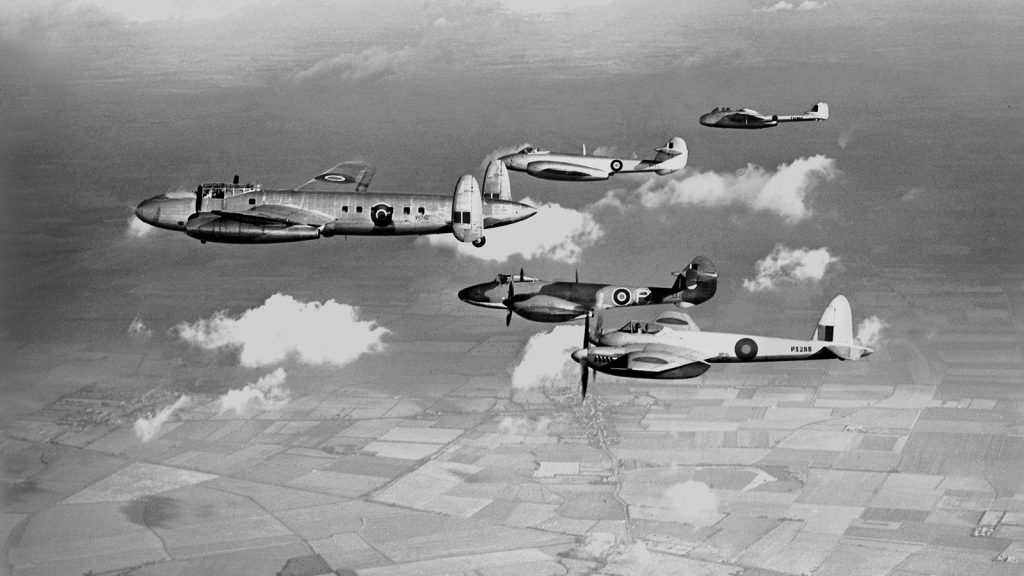
The Hucknall air force
Test aircraft from the establishment fly in formation for the camera.
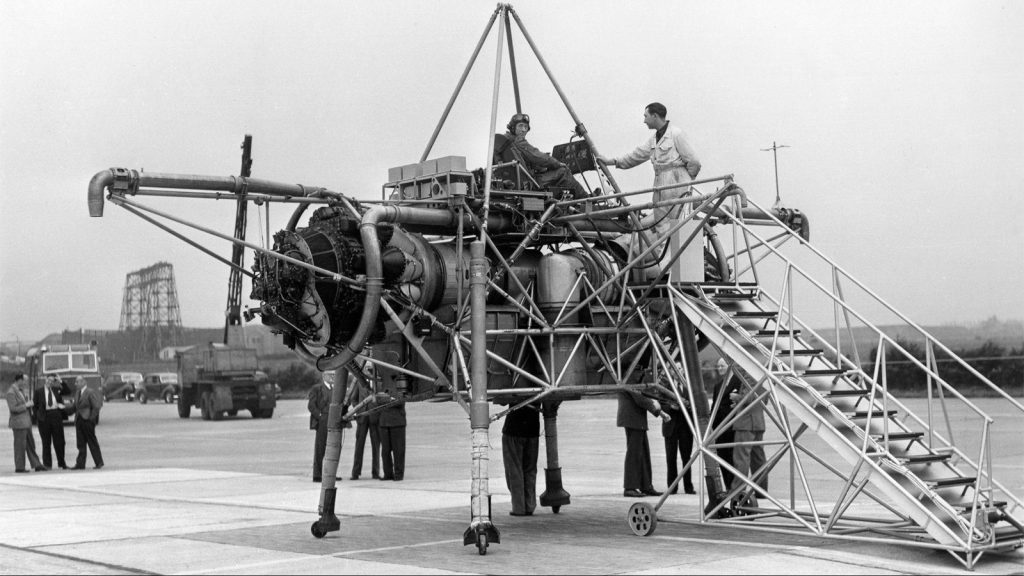
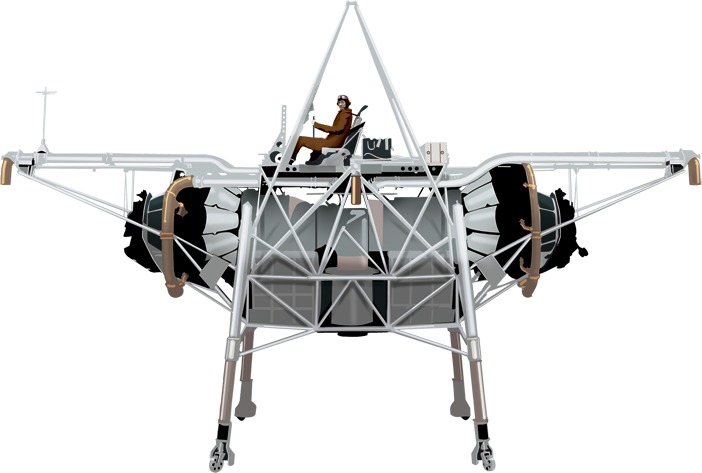
The Flying Bedstead
On 3 August, Captain Ronald Shepherd makes the first free flight of the Thrust Measuring Rig: the world's first jet-lift flight.
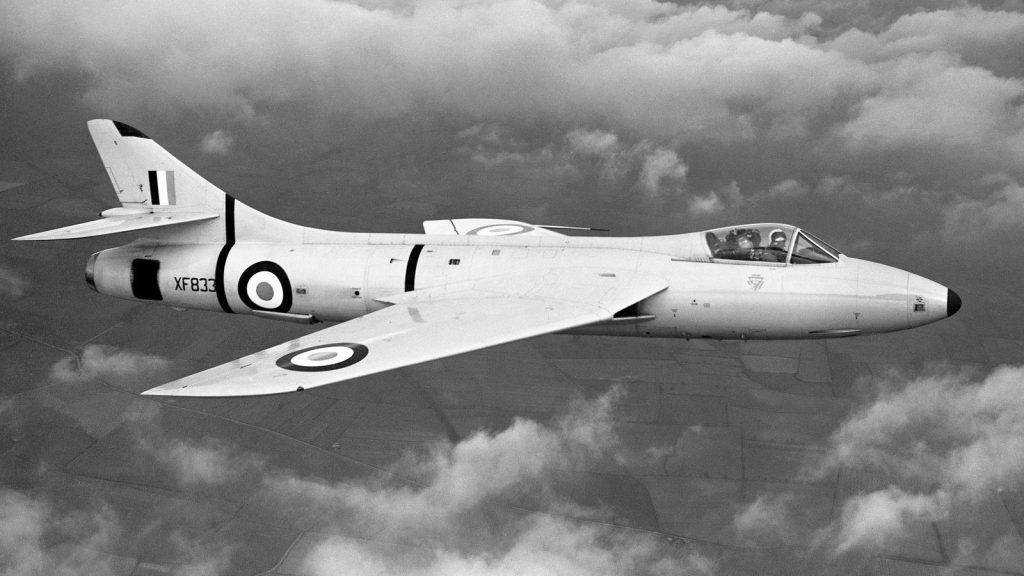
Thrust reversing
Hunter XF833 trials thrust reversers, technology now fitted to almost every airliner.
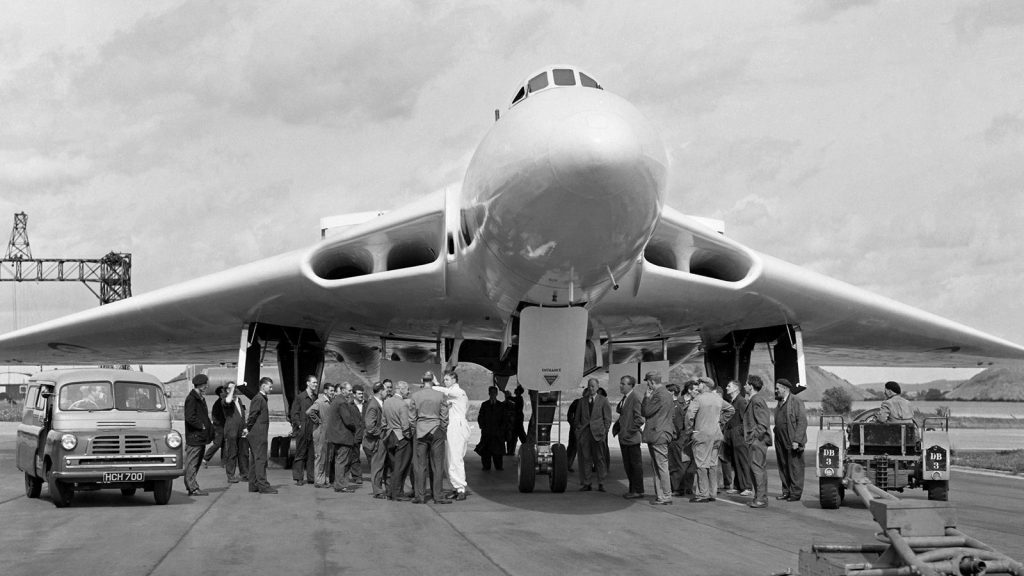
Vulcan VX770
The prototype Vulcan becomes a flying test bed for the Rolls-Royce Conway.
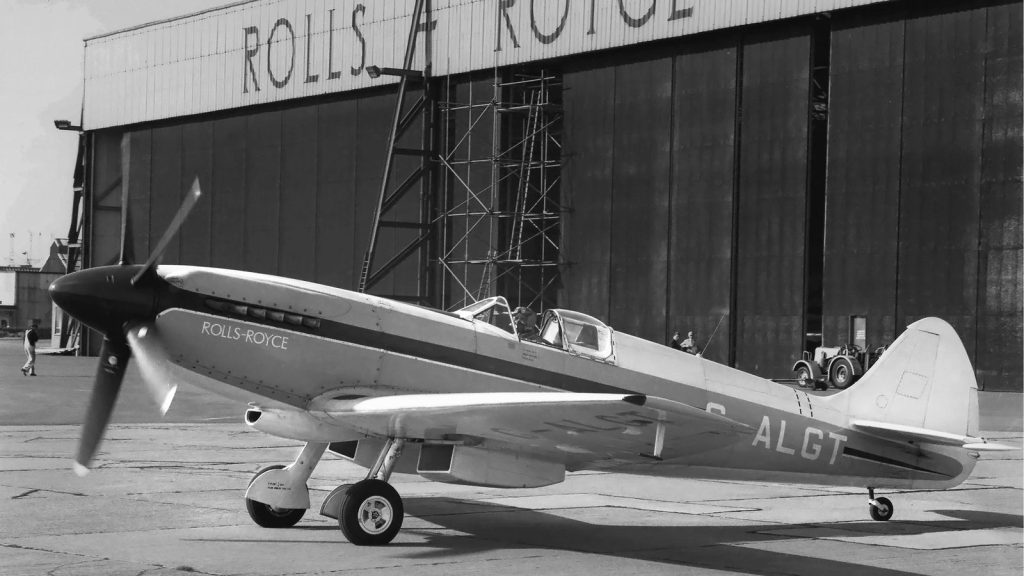
Battle of Britain
Hucknall's Spitfire ticks over outside 9 Hangar before leaving to star in the film.
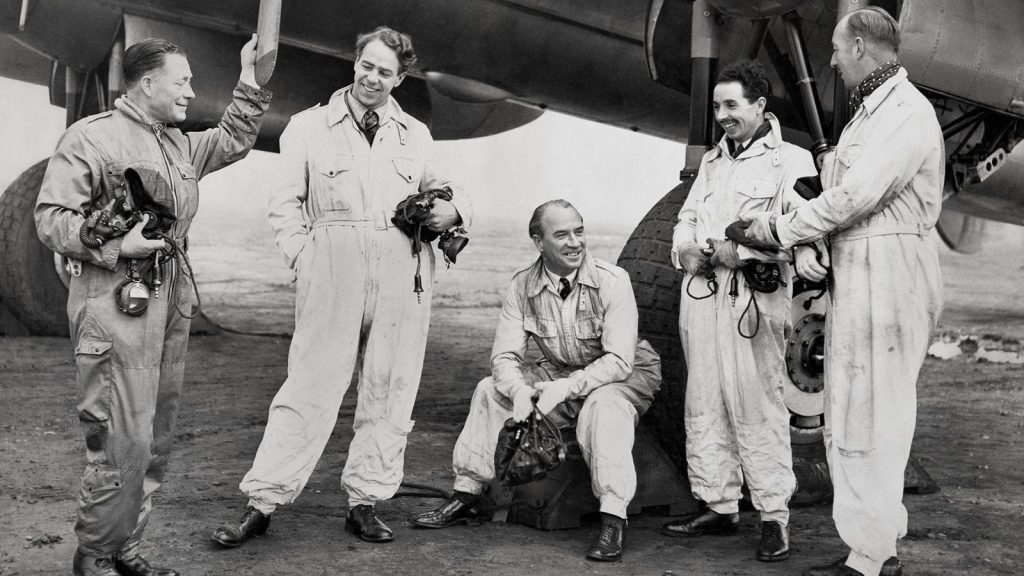
End of flight testing
After 37 years, flight development moves away from Hucknall. Ground testing carries on.
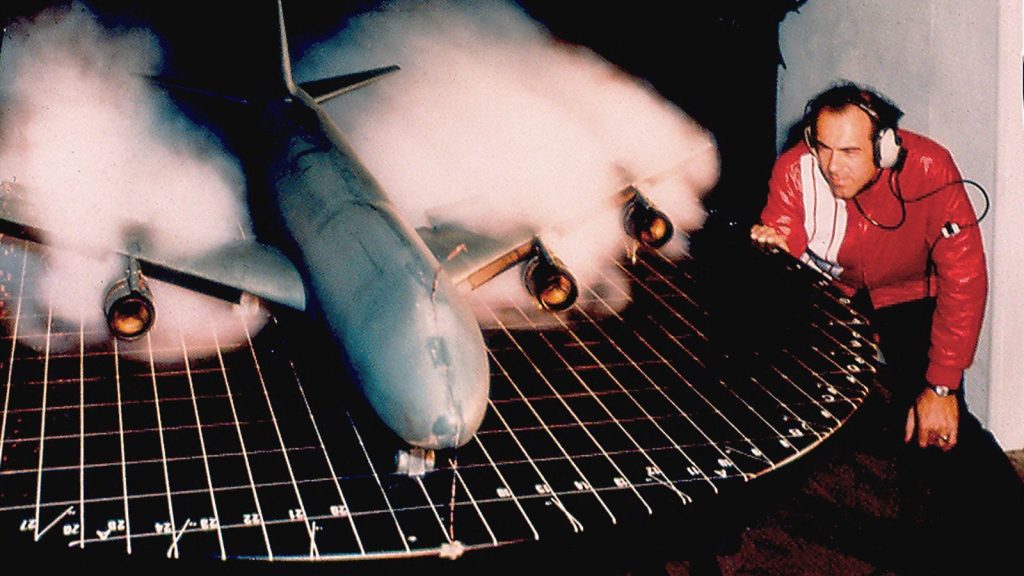
RB211
Thrust-reverser model tests for the RB211 run in No 1 Wing Hangar.
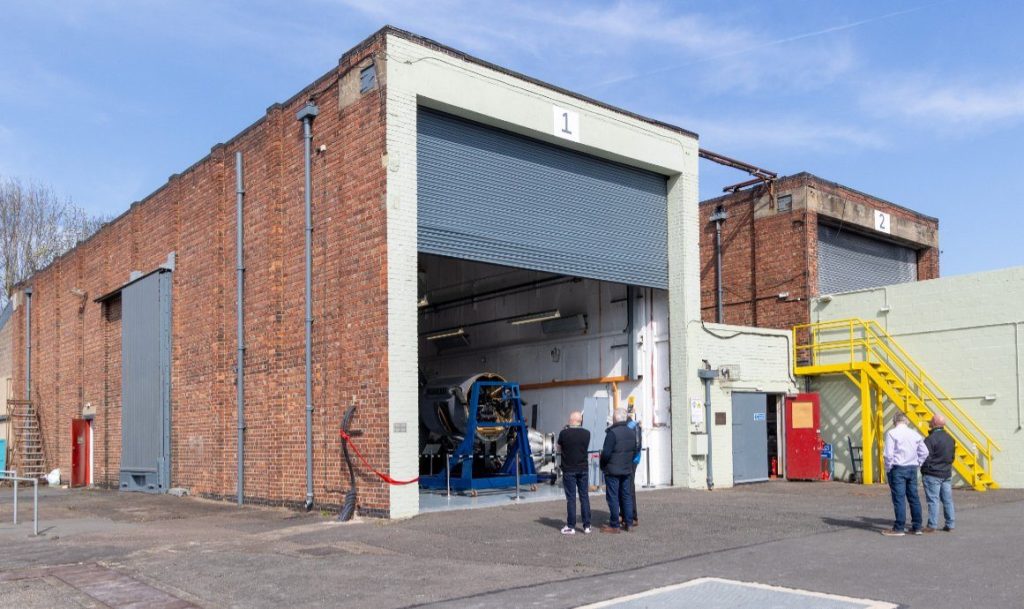
The museum opens
On 4 April 2025 the Hucknall Flight Test Museum is officially opened, run entirely by volunteers.
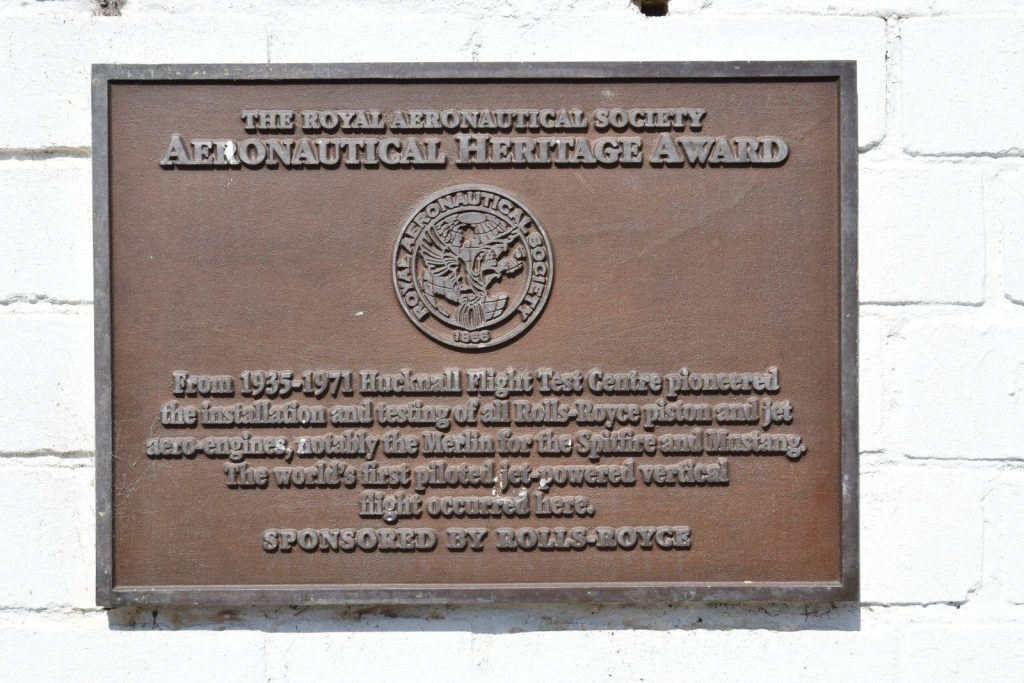
A heritage award
The Royal Aeronautical Society has recognised Hucknall with an Aeronautical Heritage Award for the pioneering work carried out here between 1935 and 1971, from Merlin installations to the world’s first jet-powered vertical flight.