Last call

Last chance for 2026: we close for winter after Saturday 31 October. Book your visit

Rolls-Royce Hucknall Flight Test Establishment · 1934–1971

One of aviation's best kept secrets

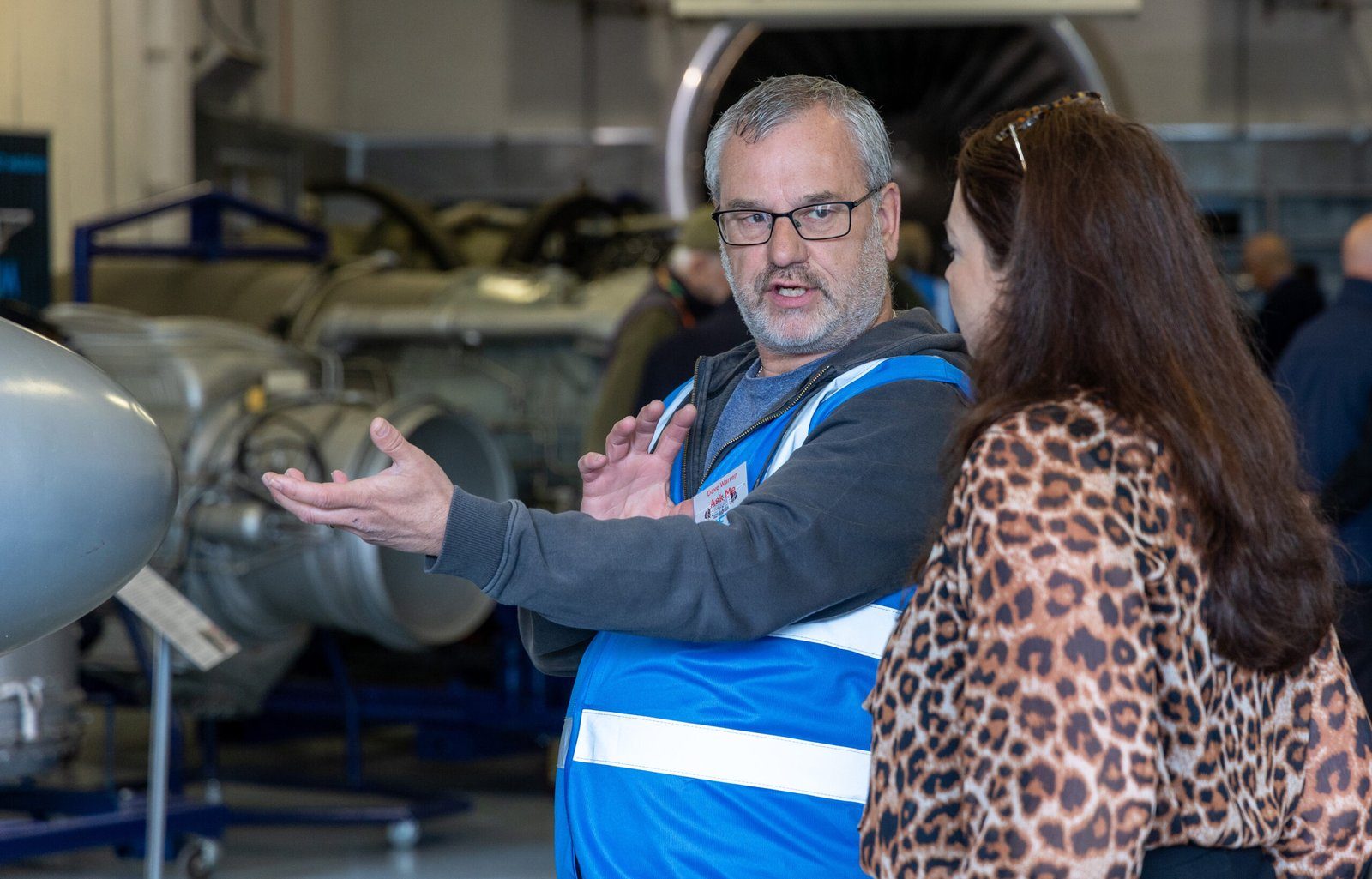
For almost forty years Rolls-Royce flight-tested the engines that shaped British aviation here at Hucknall, much of it in secret. Step inside the 1944 Wing Hangar and meet the Merlin, the Flying Bedstead and the people who made them fly.

  • Wednesdays & Saturdays
  • 9am – 3pm
  • Entry by donation
  • Next open Saturday 26 September
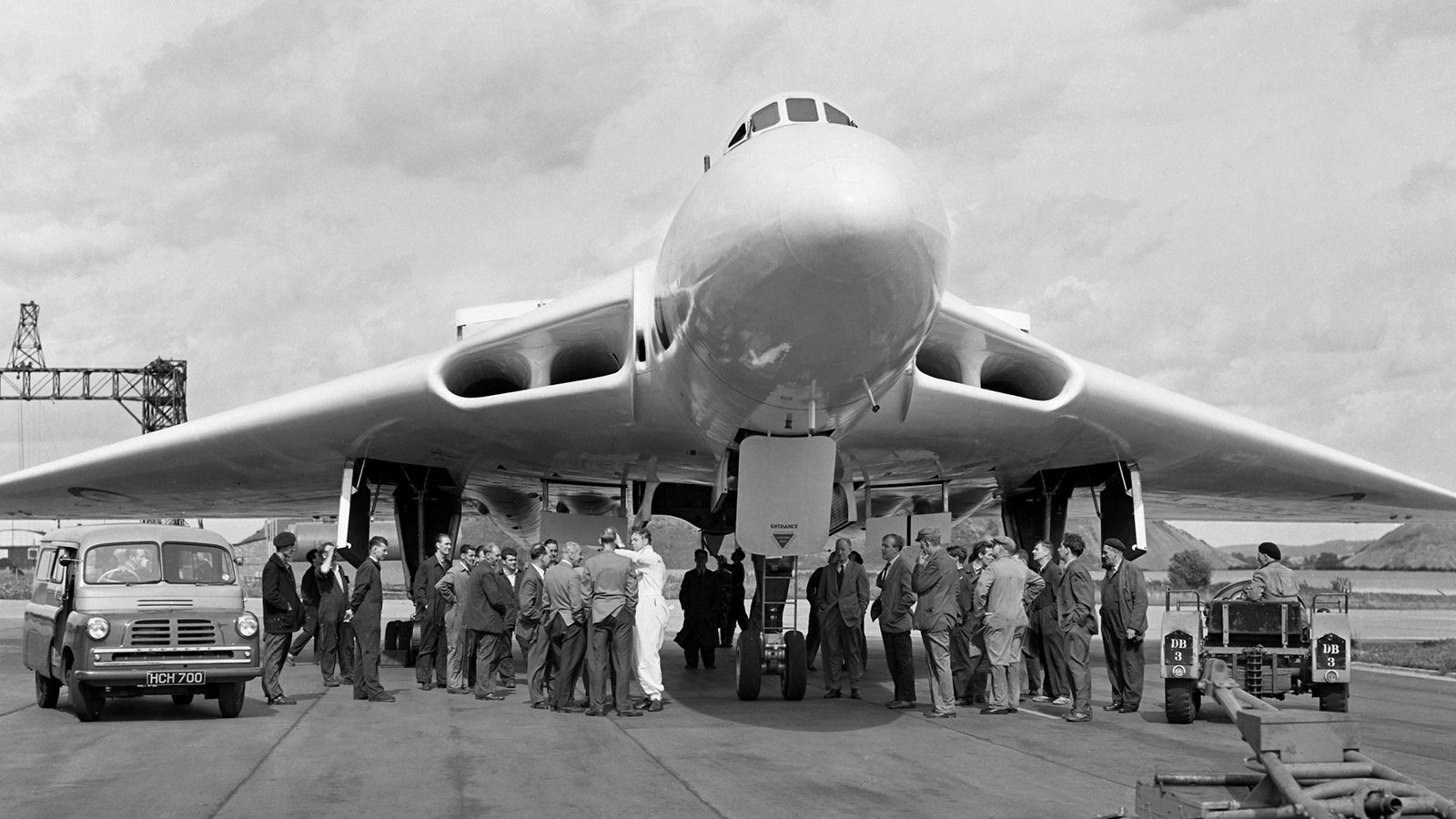
Prototype Vulcan VX770, Conway engine test bed
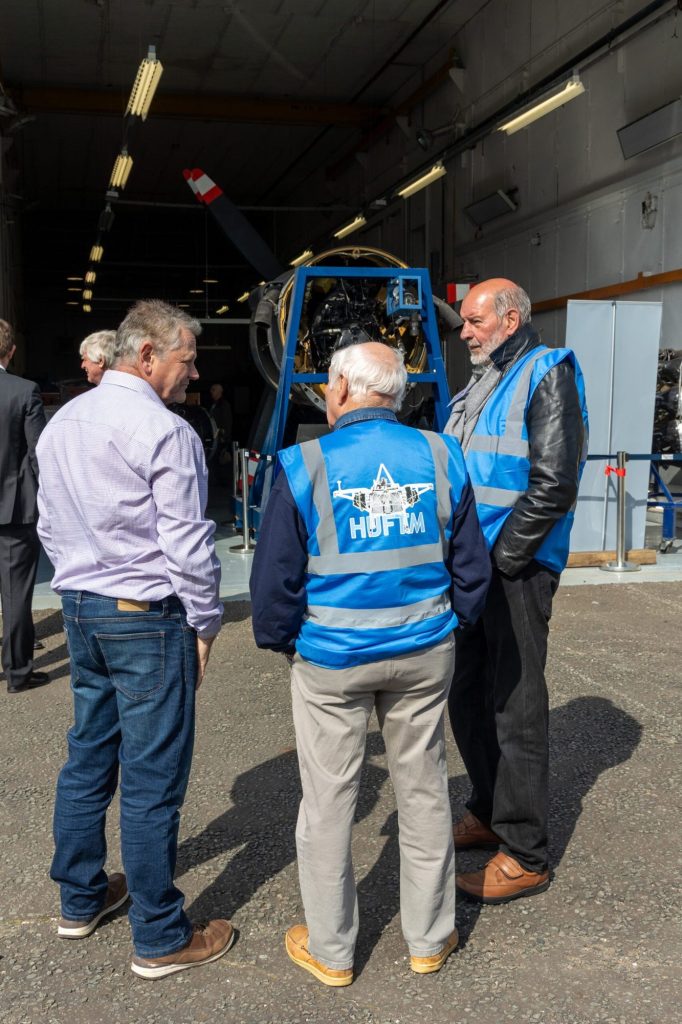
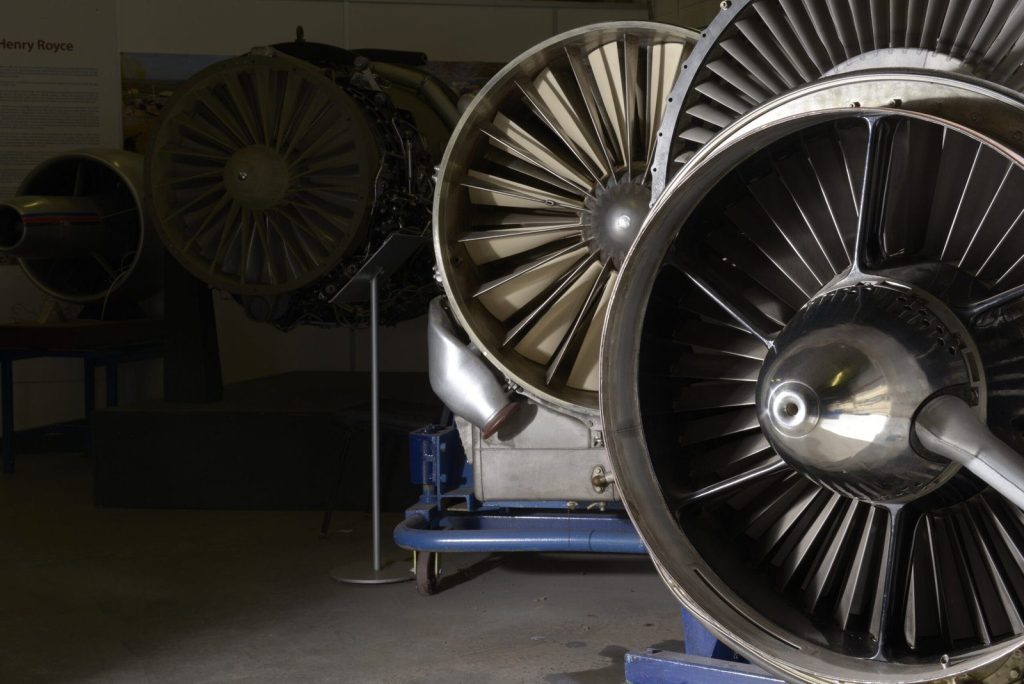
Jet engines on display in the Wing Hangar
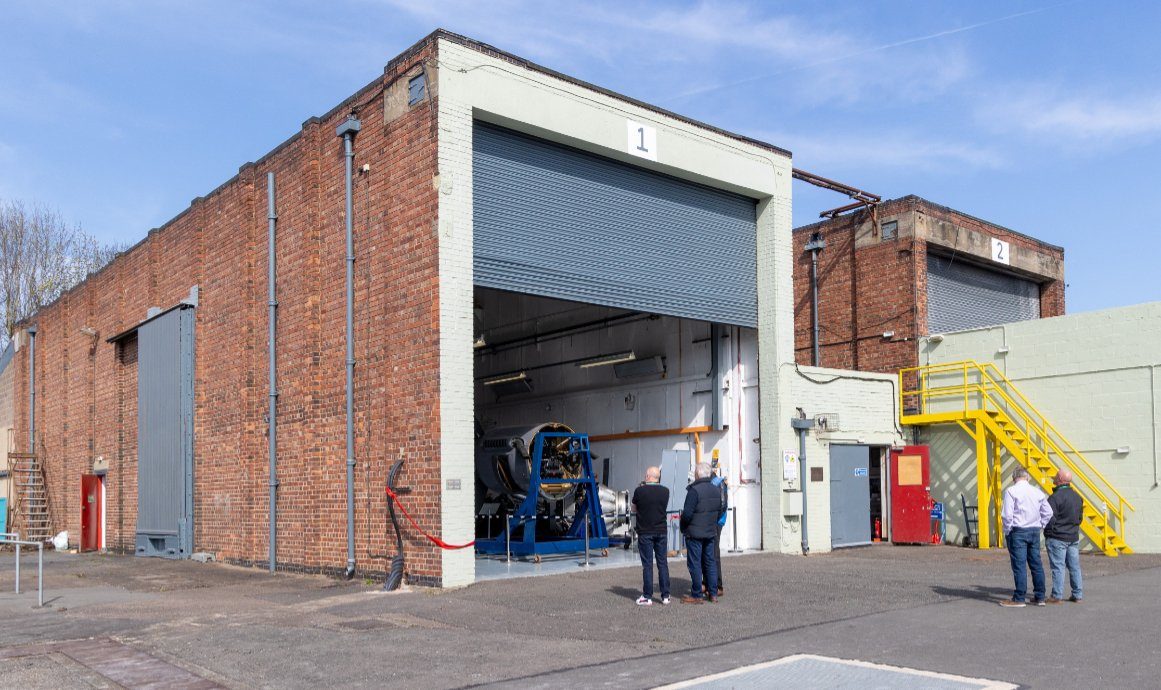
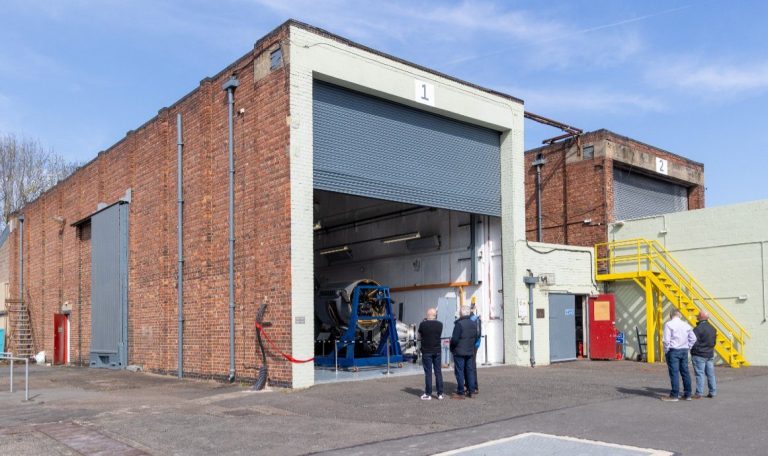
The Hucknall Wing Hangar museum building
Grade II listed · 1944
The museum

Inside the Wing Hangar

The museum is housed in the Hucknall Wing Hangar, a rare Grade II listed industrial building put up in 1944 to give Rolls-Royce dedicated ground test facilities for Merlin and Griffon engine development.

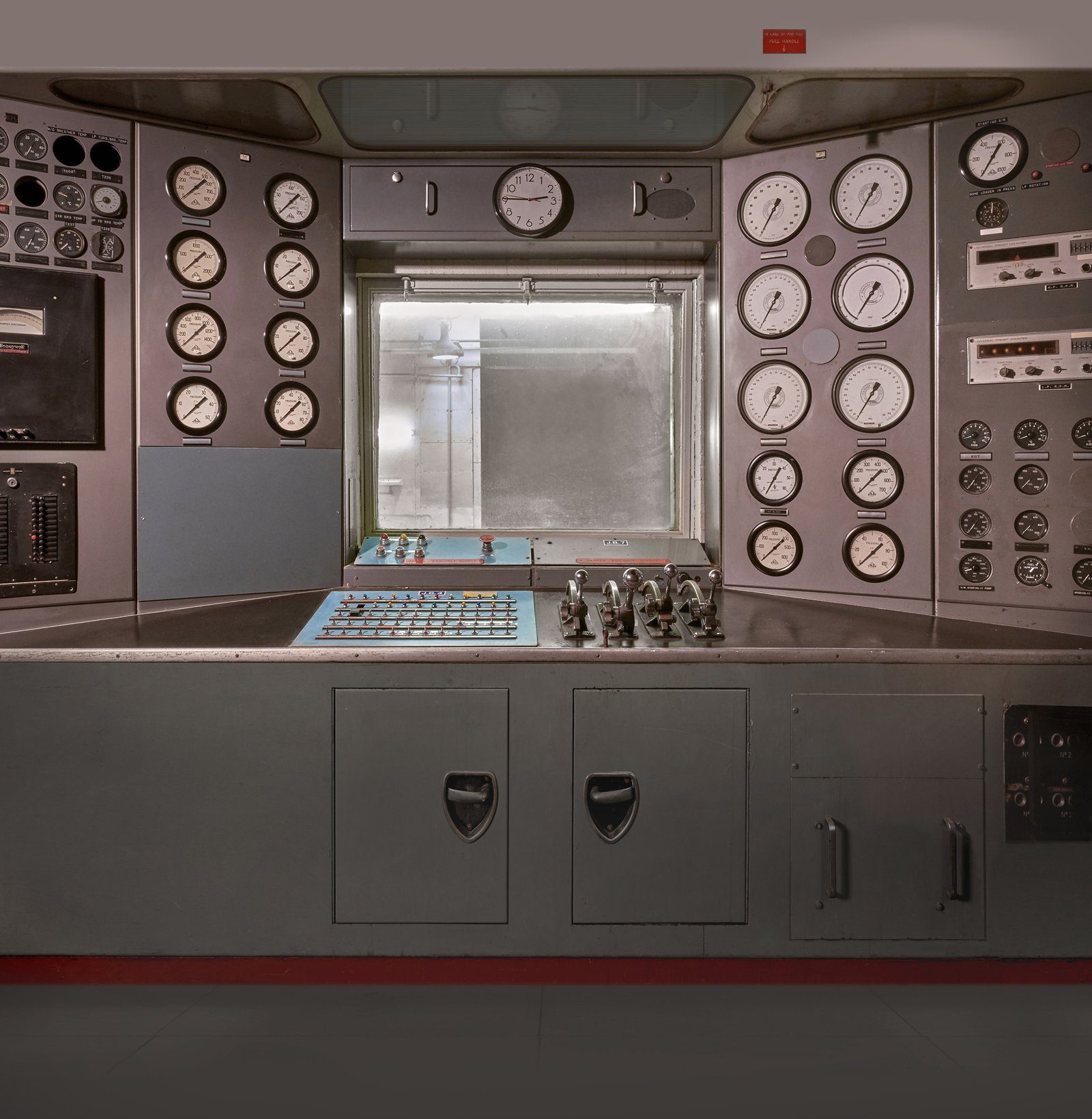
There are two test hangars, each built around an aircraft wing section suspended inside, joined by a central blockhouse that held the test control room. Engines were mounted on the articulating wing exactly as they would be on a service aircraft, so the full range of simulated stress tests could be carried out on the ground.

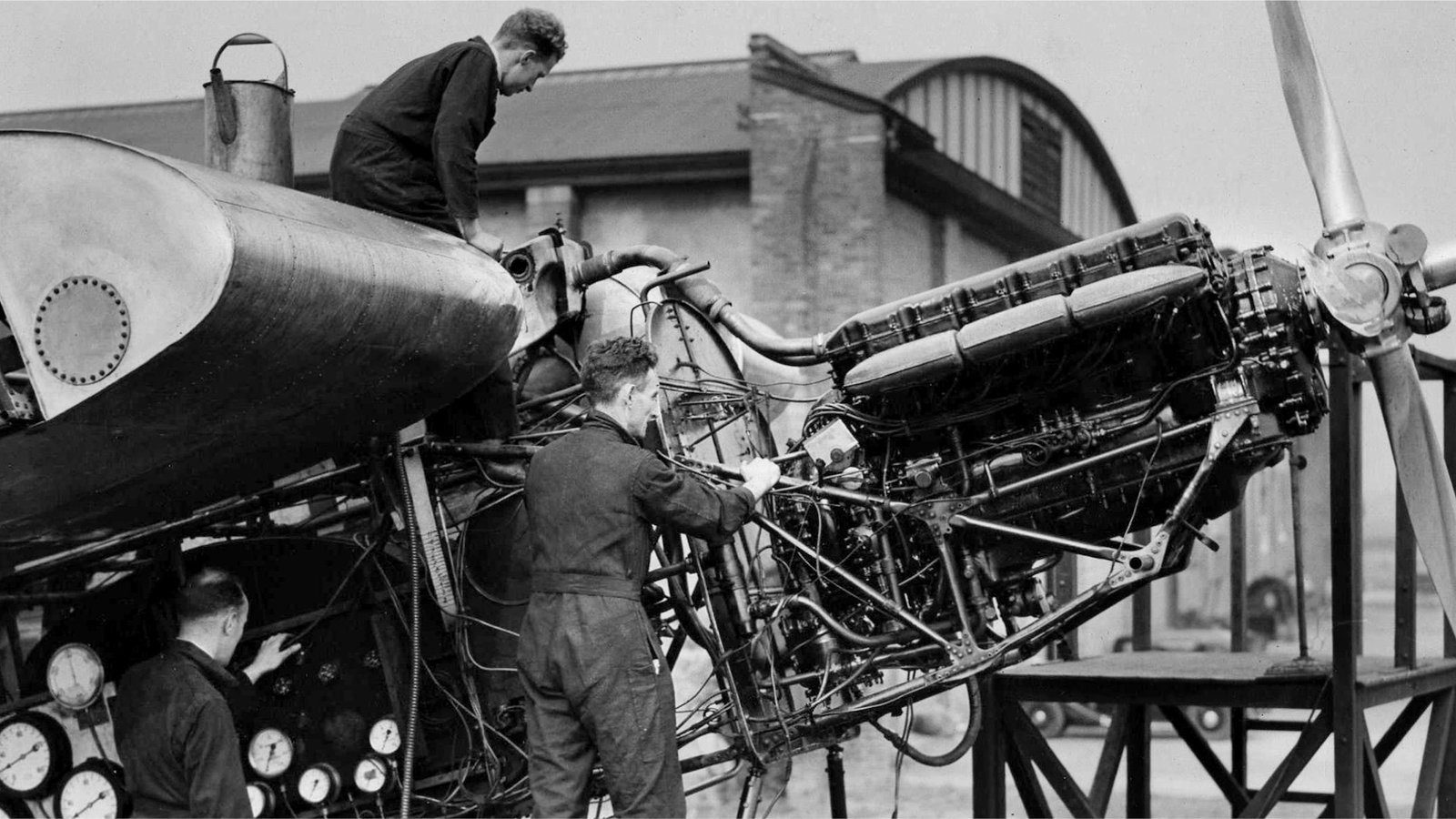
Today you can see exhibits from the flight testing at the largely secret Rolls-Royce Hucknall Flight Test Establishment, from 1934 to 1971, and from the specialist ground testing that carried on here right up to the early 2000s.
1934
Rolls-Royce flight testing begins at Hucknall
37yrs
of secret flight development, 1934–1971
100%
volunteer run. We have no paid staff
£10
suggested donation. Under 3s and carers free
Through the decades

37 years of test flying

1934
Kestrel engine test at the ramp hangar, 1934

Rolls-Royce moves in

Ernest Hives leases two Belfast hangars at Hucknall. The Rolls-Royce Flight Test Establishment opens in January 1934.

1936
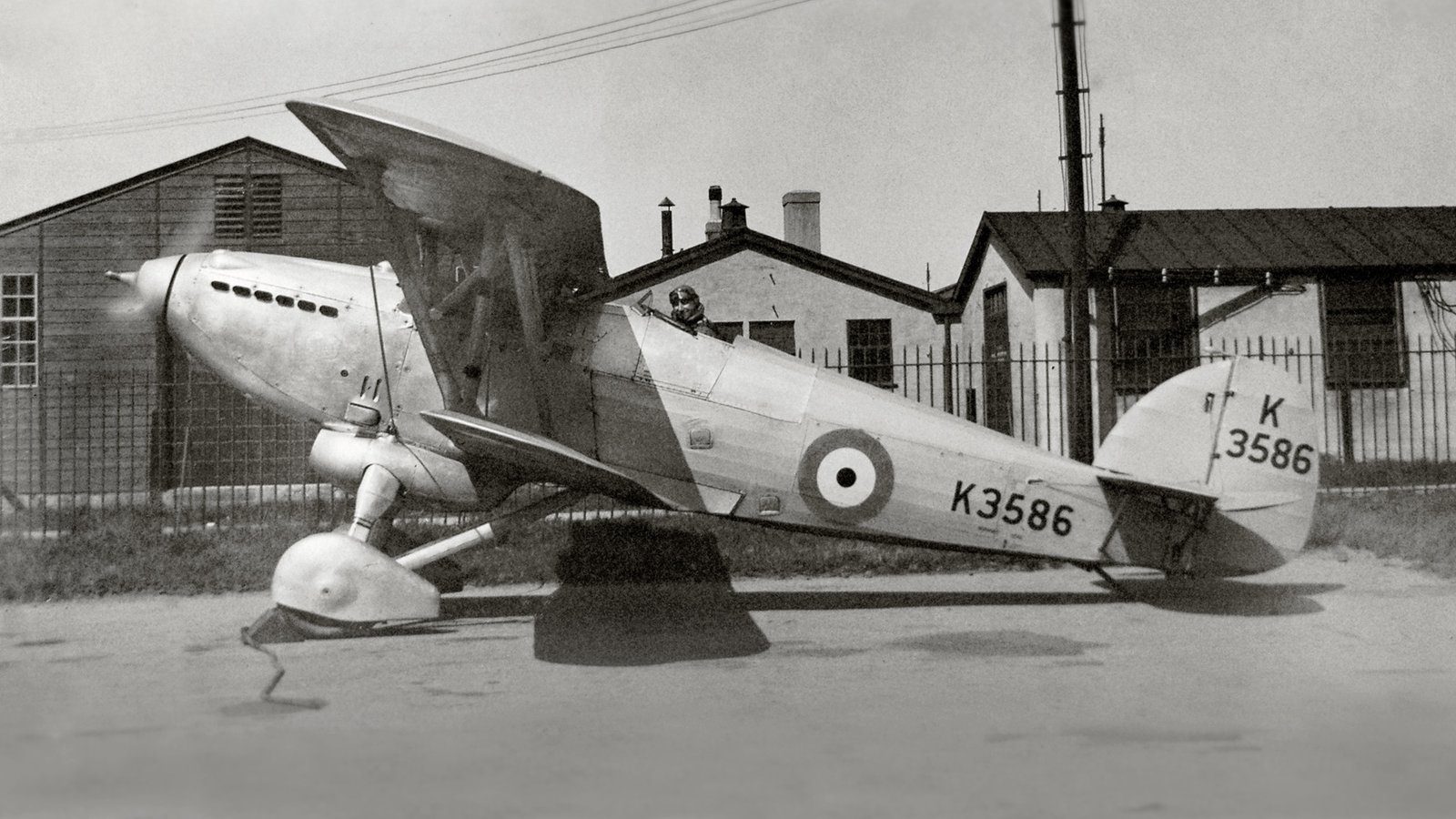
Hawker Fury at Hucknall, 1936

Flying test beds

Biplanes like Hawker Fury K3586 carry experimental Rolls-Royce engines into the air over Nottinghamshire.

1940
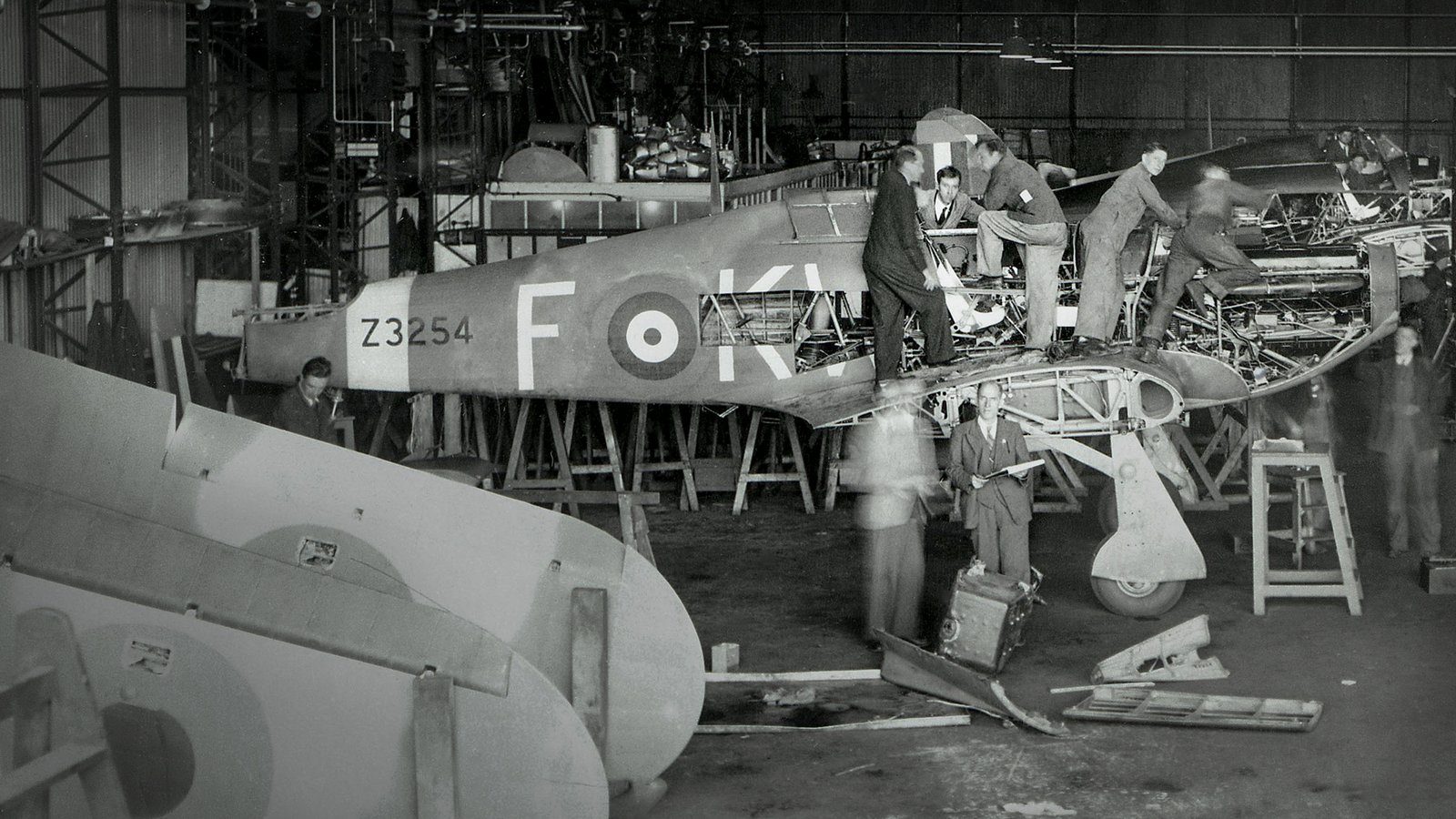
Hurricane repairs in No 1 Hangar, 1940

Battle of Britain

Damaged Hurricanes come to No 1 Hangar for repair and return to the fight.

1942
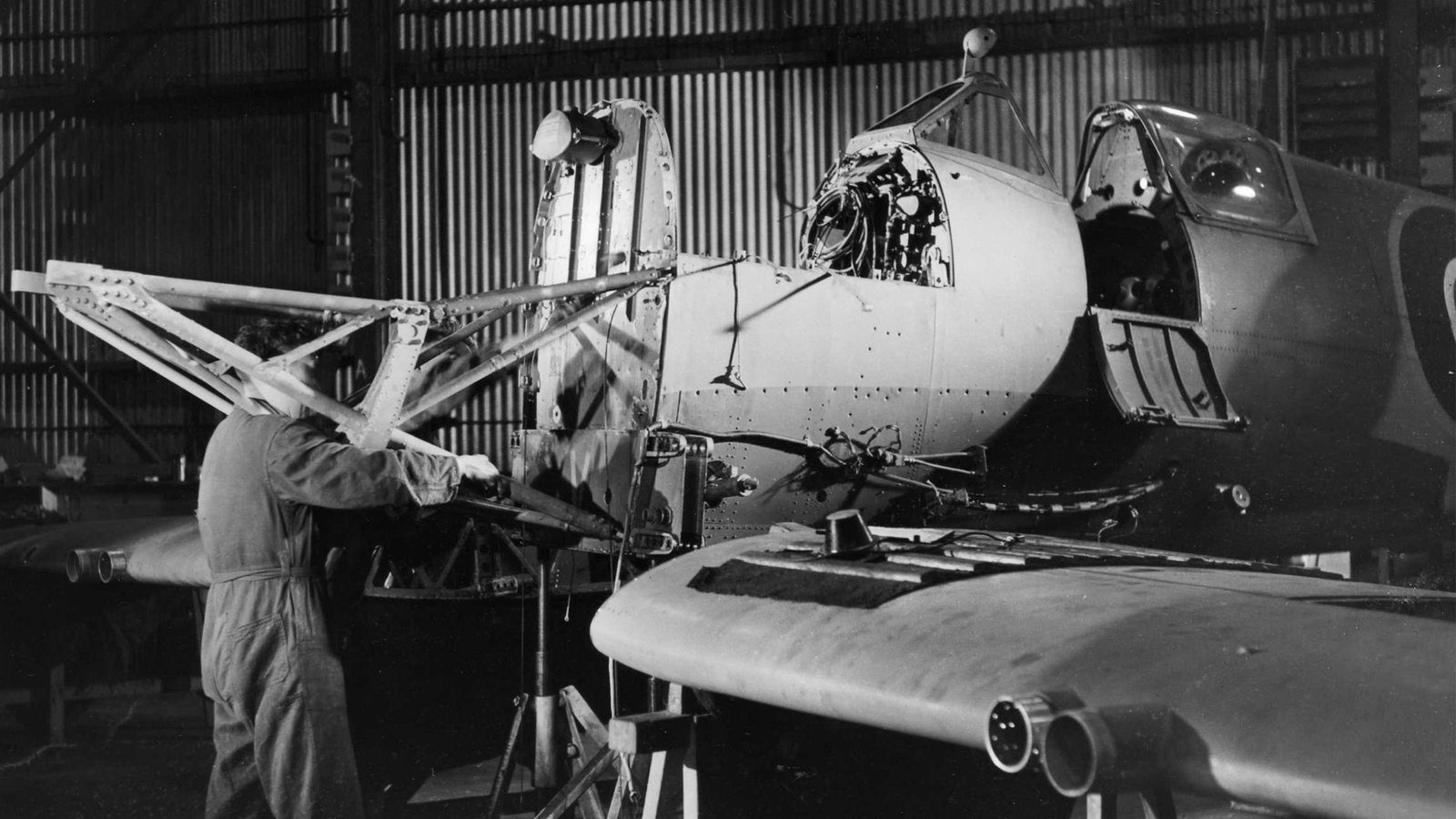
Spitfire Mk V to Mk IX conversion in 6 Hangar, 1942

Spitfire Mk IX

Spitfire Mk Vs are converted to the Merlin 60-series powered Mk IX in 6 Hangar.

1944
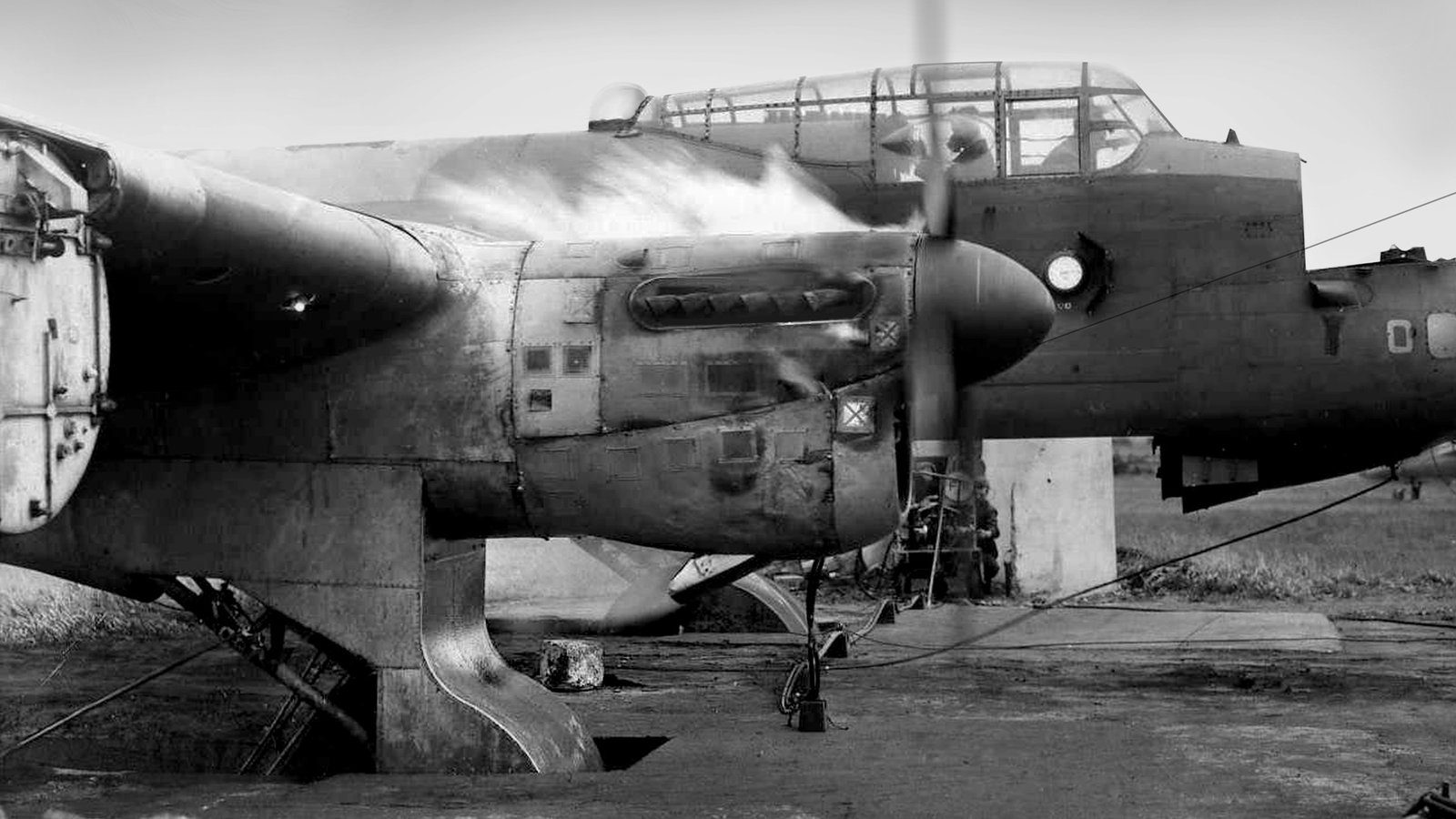
Merlin power plant on fire suppression test, 1944

The Wing Hangar

Purpose-built ground test hangars go up for Merlin and Griffon development. Today they house the museum.

1948
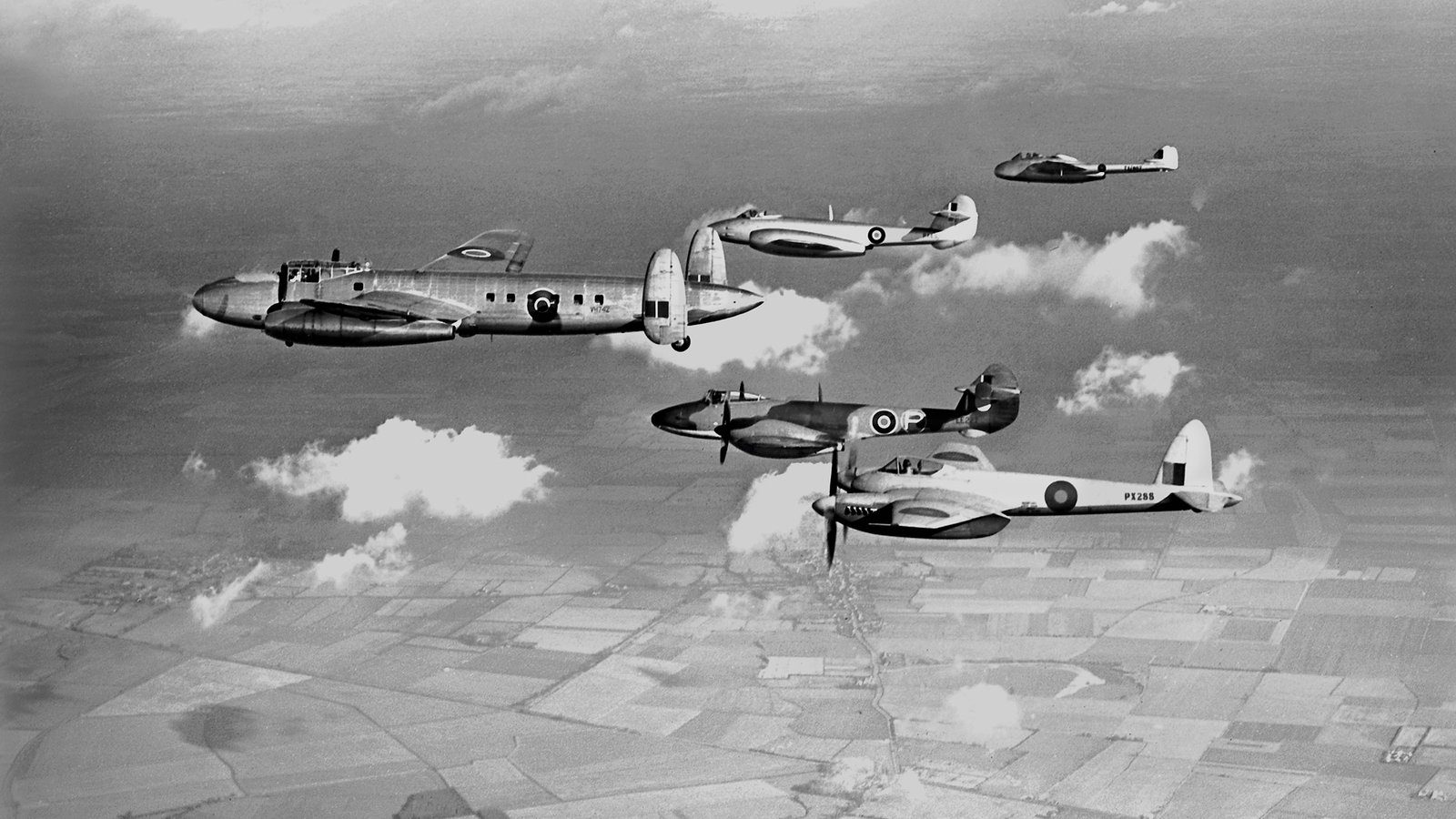
The Hucknall test fleet in formation, 1948

The Hucknall air force

Test aircraft from the establishment fly in formation for the camera.

1954
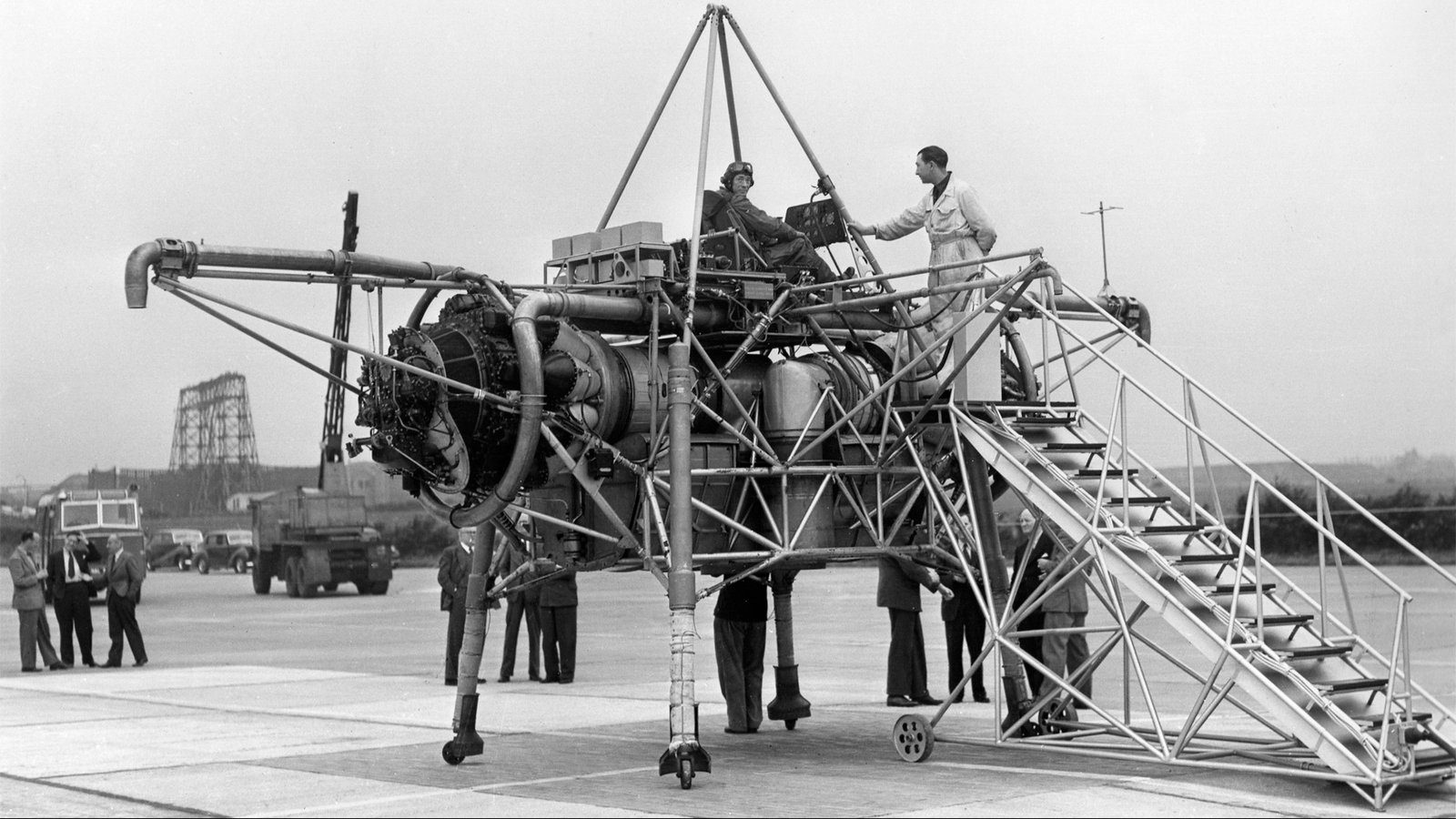
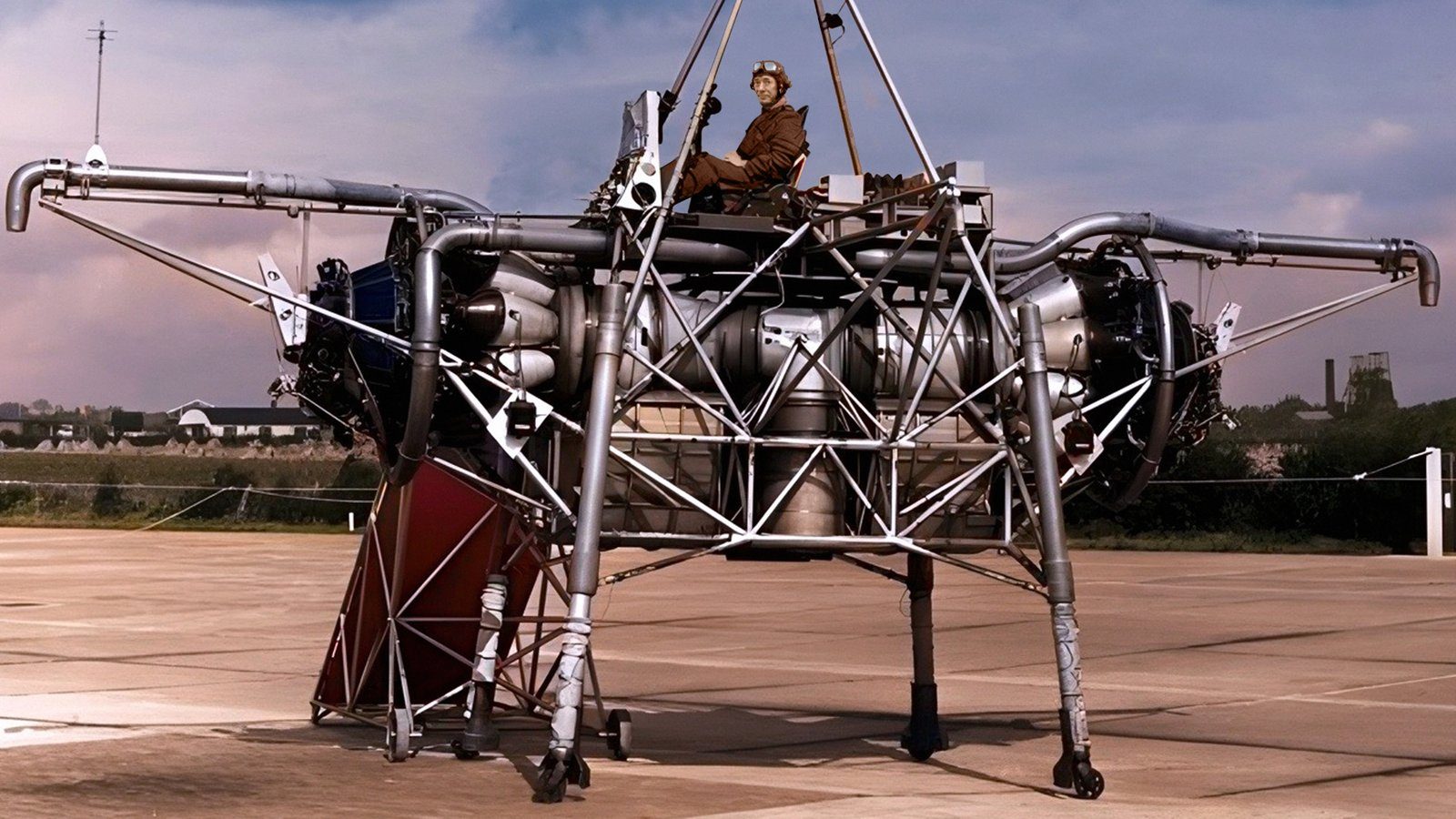
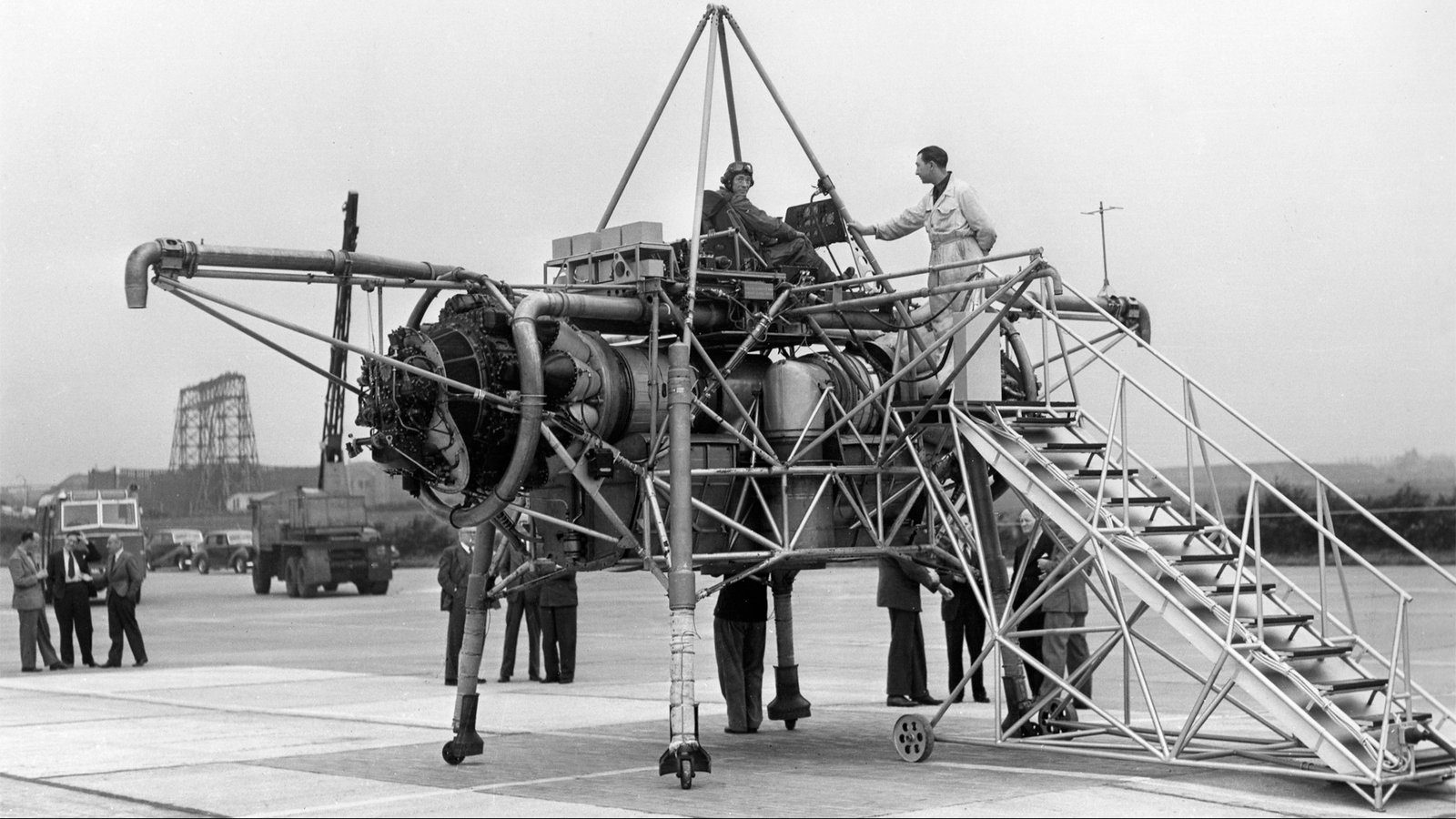
Captain Shepherd about to launch the first free flight of the Flying Bedstead, August 1954

The Flying Bedstead

On 3 August, Captain Ronald Shepherd makes the first free flight of the Thrust Measuring Rig: the world's first jet-lift flight.

1956
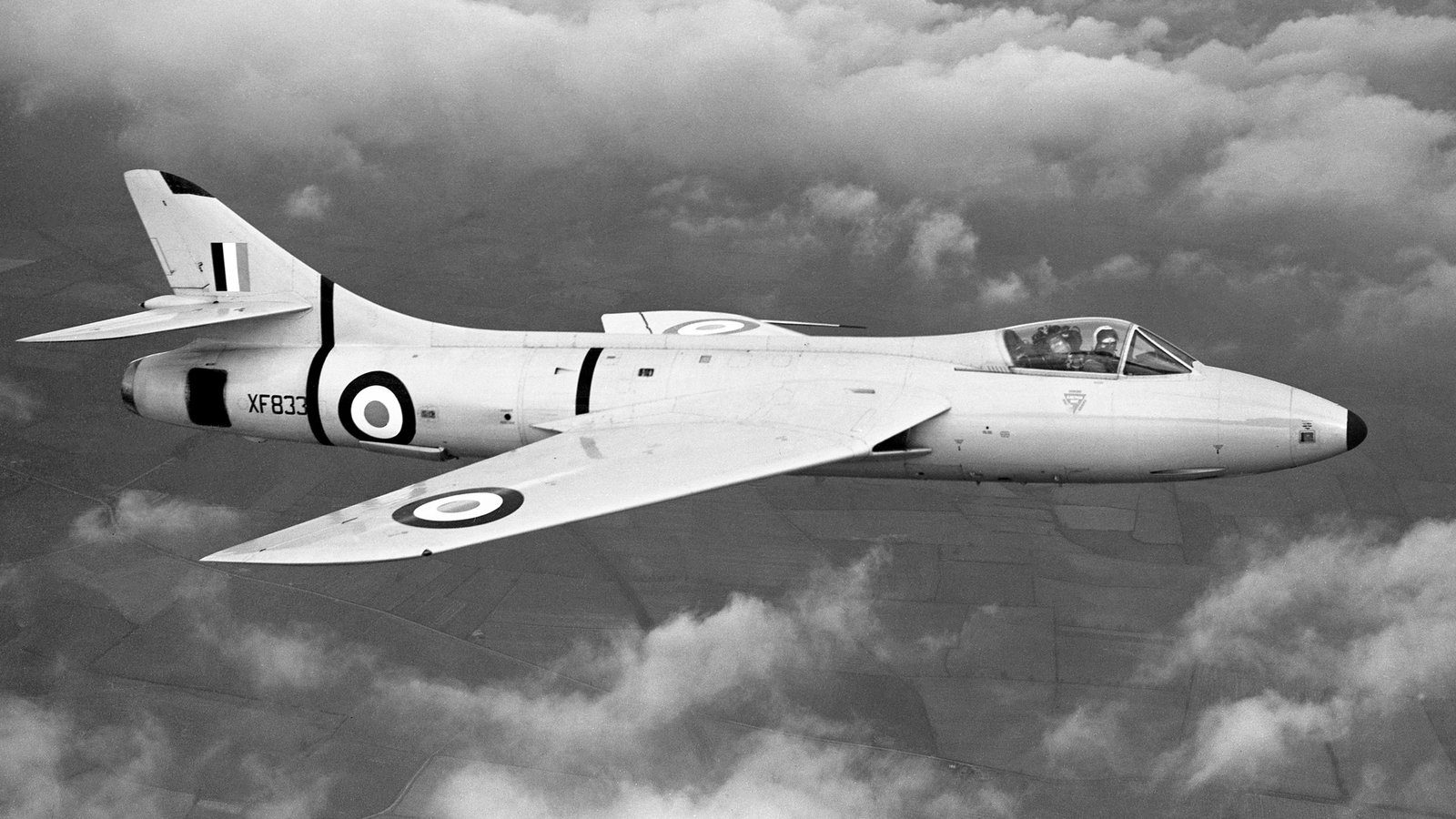
Thrust-reversing Hunter XF833, 1956

Thrust reversing

Hunter XF833 trials thrust reversers, technology now fitted to almost every airliner.

1957
Prototype Avro Vulcan VX770 at Hucknall

Vulcan VX770

The prototype Vulcan becomes a flying test bed for the Rolls-Royce Conway.

1968
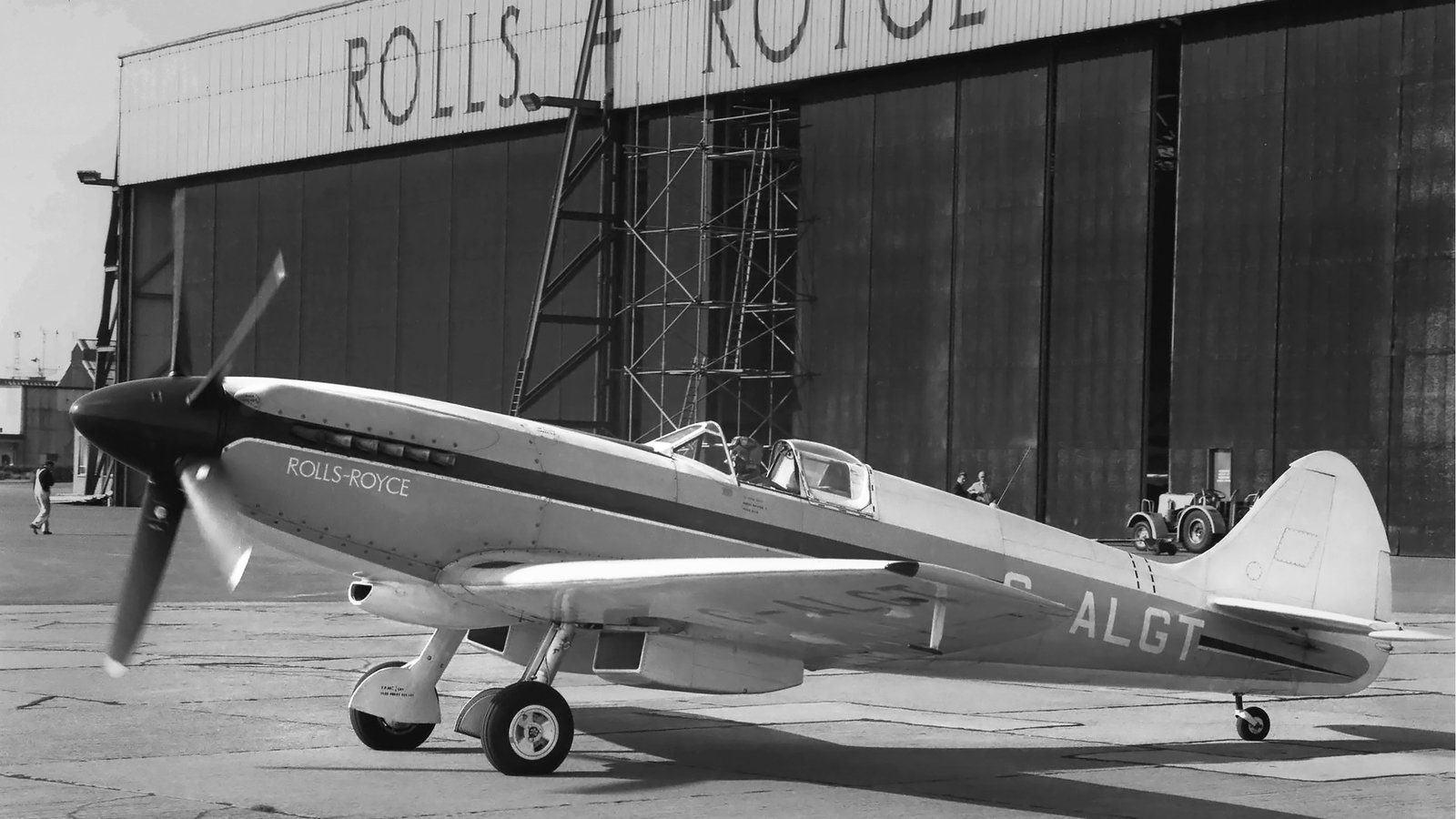
Spitfire ticking over outside 9 Hangar, 1968

Battle of Britain

Hucknall's Spitfire ticks over outside 9 Hangar before leaving to star in the film.

1971
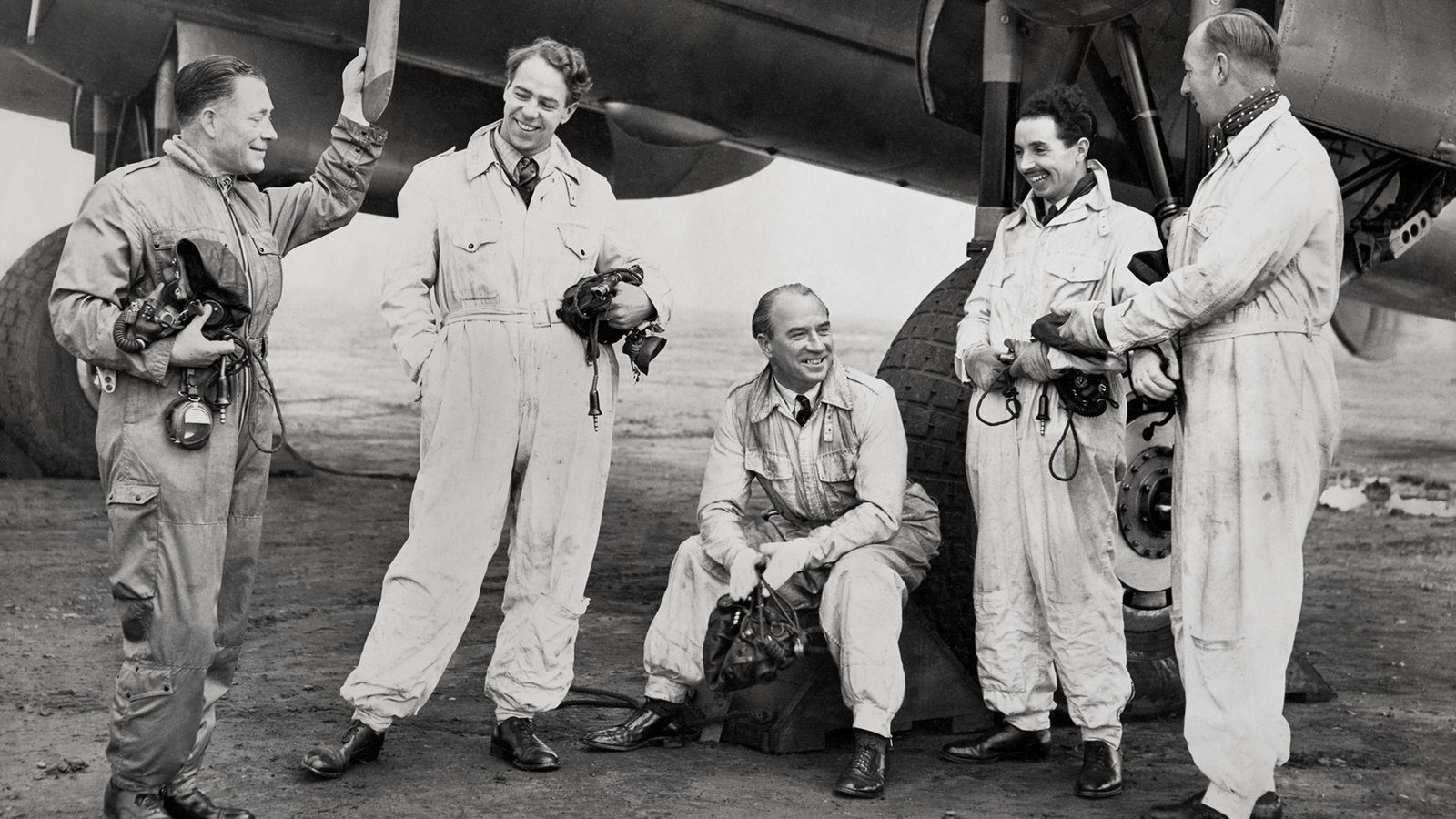
Rolls-Royce Hucknall test pilots

End of flight testing

After 37 years, flight development moves away from Hucknall. Ground testing carries on.

1973
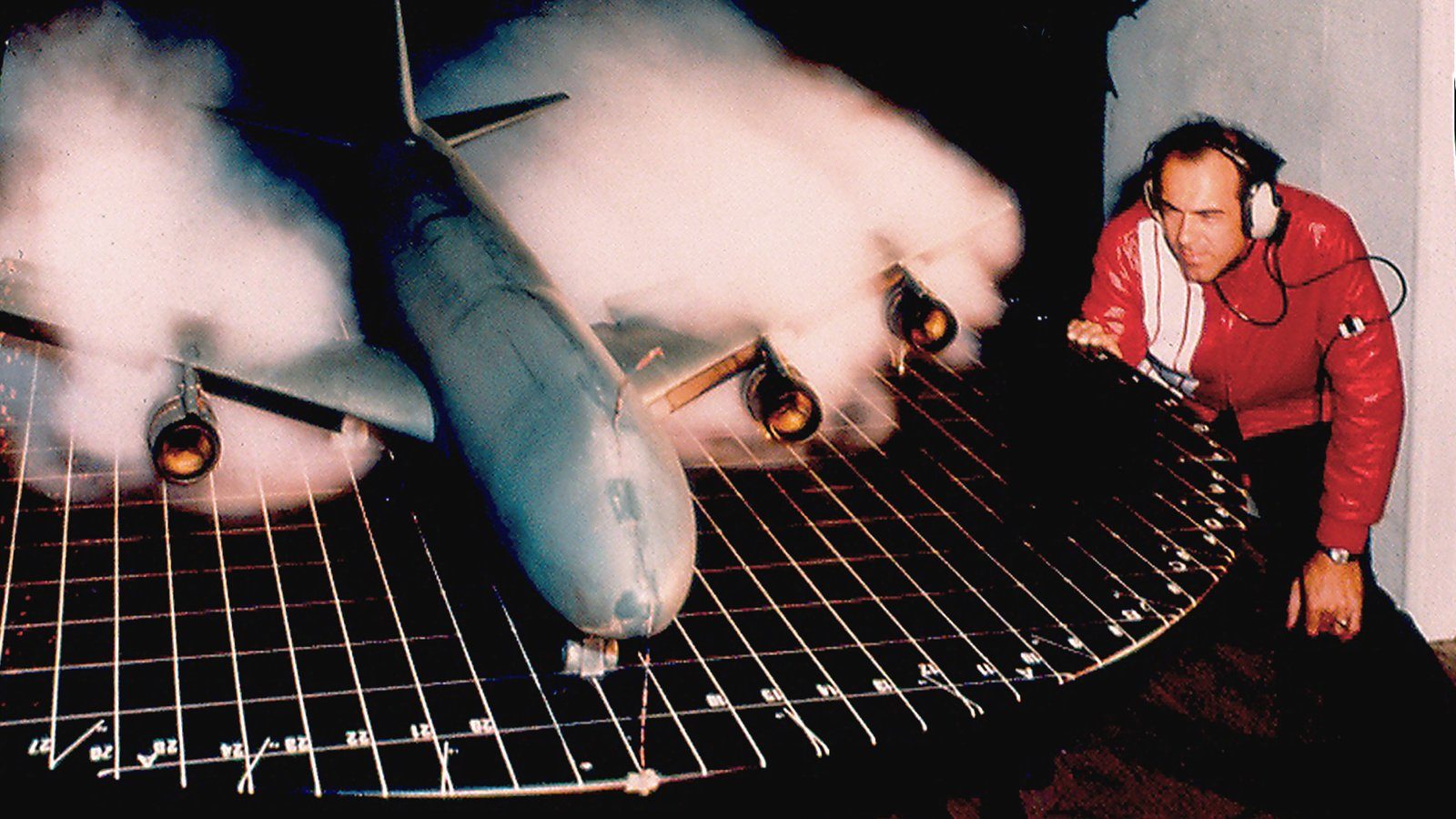
RB211 thrust reverser model test in No 1 Wing Hangar, 1973

RB211

Thrust-reverser model tests for the RB211 run in No 1 Wing Hangar.

2025
The Hucknall Wing Hangar museum building

The museum opens

On 4 April 2025 the Hucknall Flight Test Museum is officially opened, run entirely by volunteers.

Read the full story

3 August 1954 · Hucknall

The world's first jet-lift flight

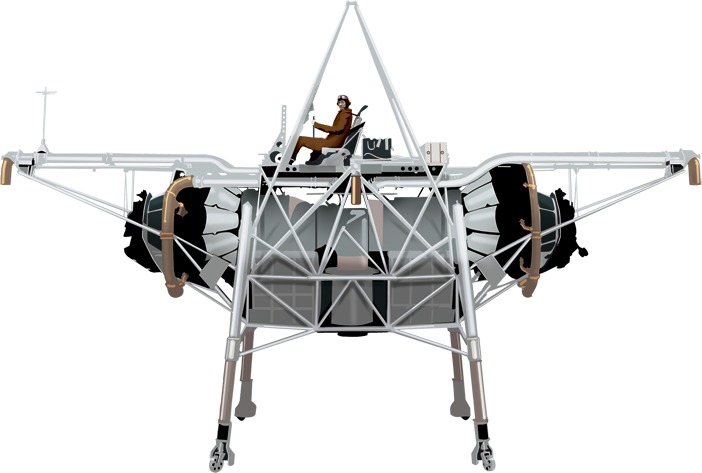
Two Rolls-Royce Nene jets, a steel frame and no wings at all. The Thrust Measuring Rig, better known as the Flying Bedstead, rose off the ground at Hucknall and proved that a jet could hold an aircraft up on thrust alone. That flight led to the Harrier jump jet.

Now the Bedstead story is coming home, with a new Fire Brick Pad monument at Harrier Park.

2 × Neneturbojets, back to back
0wings. Thrust did all the lifting
1stjet-lift aircraft to fly anywhere
Discover the Bedstead
Illustration of the Rolls-Royce Thrust Measuring Rig, the Flying Bedstead
What's on

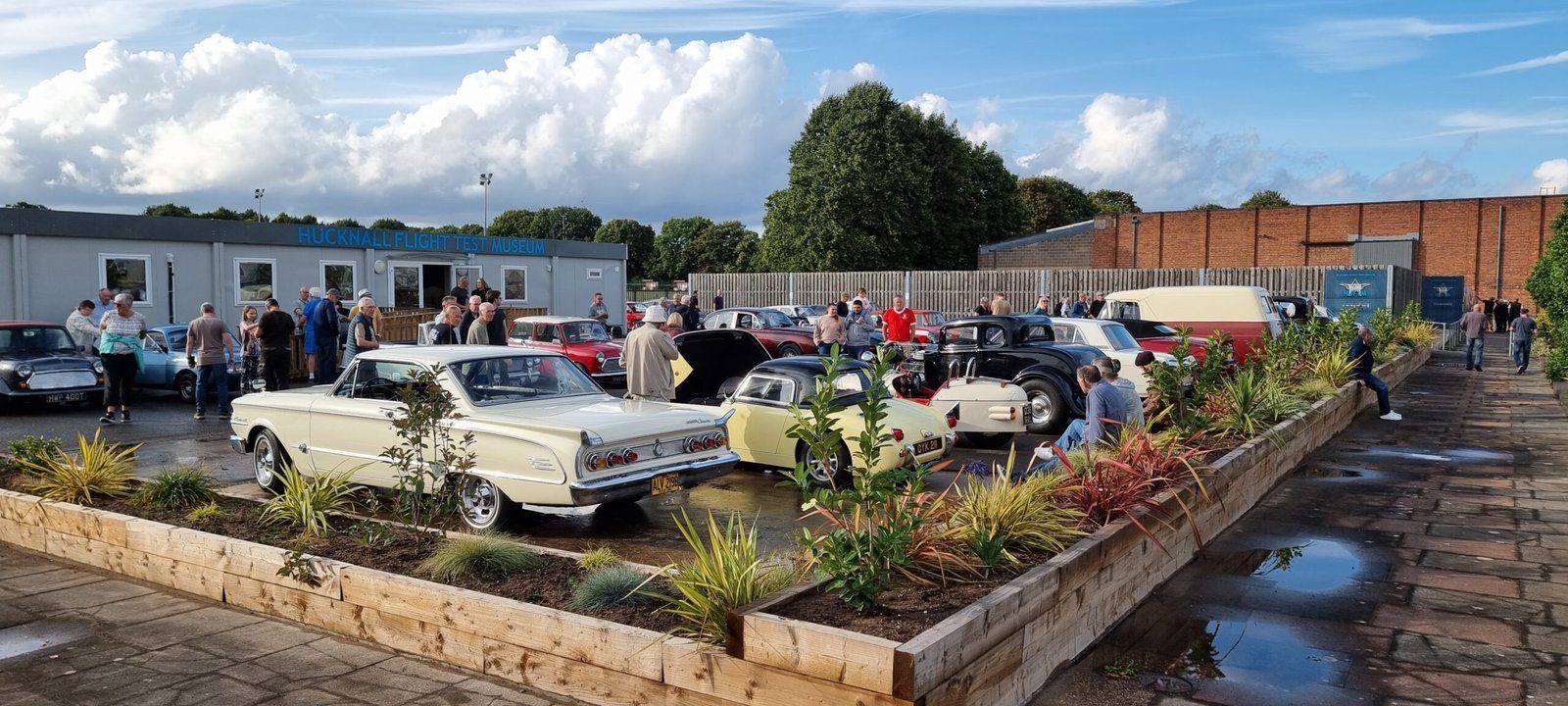
Evenings at the hangar

Free Bike Nights and Classic Car Nights through the season. Come and see Wing Hangar No 1 and try the Jet Provost flight simulator.

All events

“Extremely well done, your volunteers are fabulous”
Jane C.
“Absolutely brilliant, loved every second”
Bradley W.
“Nostalgic, absolutely fascinating”
Robert M.
“Amazing, loved every minute”
Caroline P.
“Very informative, inspirational”
Rosy K.
“Well worth preserving”
Pam H.
“Very interesting, tour guides were brilliant”
Gareth
Keep the doors open

Support the museum

We're a registered charity run entirely by volunteers. It costs around £40,000 a year to keep the Wing Hangar open, and every penny comes from people like you.

Donate

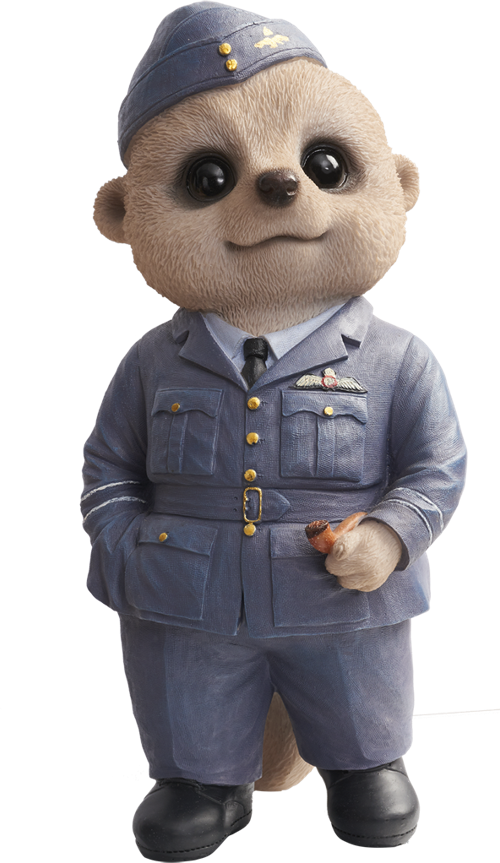
Merlin the Meerkat looks after our donations. Give online in a minute, or at our card and cash points on the day.

Donate now

Volunteer

Guides, engineers, archivists, merchandise, accounts… All skills welcome, on site or from home.

Join the crew
+25%

Gift Aid it

If you're a UK taxpayer, Gift Aid adds 25p to every £1 you give at no cost to you. Forms are at reception.

How it works

Come and see the secret for yourself

Visits are by pre-booking on Wednesdays and Saturdays, April to October. Solo visitors and groups of every size welcome.